










Breast Exam in Pittsburgh
If you noticed a breast lump, pain, nipple change, discharge, skin change, or a new concern, a private visit can help you review symptoms and determine the right next step.
Get seen right away!
Most insurance accepted
New patients welcome
Breast Health Review
Breast concerns deserve a clear, respectful review
A breast exam can help your provider review new breast symptoms, changes you have noticed, and whether additional imaging, referral, or follow-up may be appropriate. The goal is to help patients understand what changed and what to do next without fear or confusion.
Review new breast changes privately and understand what next step may be appropriate.
Breast changes can have many causes. A provider visit can help document symptoms, perform an exam when appropriate, and explain whether monitoring, imaging, referral, or follow-up is recommended.
Breast changes can have many causes. A visit can help clarify the next step.
Before your visit
What to know about breast exams
Your visit can help review symptoms, changes, risk factors, exam needs, imaging questions, and follow-up planning.
Quick details before you schedule.
What it reviews
Your provider may review breast lumps, breast pain, nipple discharge, skin changes, swelling, redness, or changes in size or shape.
Who it helps
This visit may help patients who noticed a new breast change, have a family history concern, or want screening guidance.
How it works
Your visit begins with symptom history and risk review. Your provider may perform a breast exam if appropriate.
Next steps
You leave with guidance for monitoring, mammogram referral, ultrasound referral, specialist referral, or follow-up.
When to schedule
Schedule a breast exam if you notice a new or concerning breast change
A private visit can help you talk through what you noticed, how long it has been present, and what next step may be appropriate.
Talk through what changed and what next step may be appropriate.
- New breast lump or underarm lump
- Breast pain that is new, persistent, or one-sided
- Nipple discharge
- Nipple pulling inward or nipple skin changes
- Breast skin redness, dimpling, thickening, or swelling
- Change in breast size or shape
- Screening or mammogram questions
What to Expect During Your Visit
-
1
Private Symptom Review
Your visit begins with a private conversation about the change you noticed, timing, pain, discharge, family history, and prior screening.
-
2
Exam & Risk Review
Your provider may perform a breast exam and review whether symptoms, age, history, or risk factors suggest imaging or referral.
-
3
Clear Next Steps
You leave with guidance for monitoring, imaging referral, specialist referral, screening timing, or follow-up.
Breast Self-Awareness
Know what breast changes are worth checking
You do not need to diagnose a breast change yourself. Breast self-awareness means knowing what feels or looks normal for you and scheduling a visit when something new, persistent, or concerning appears.
New lump or thickening
Notice a new lump, firm area, or thickening in the breast or underarm area.
Skin changes
Check for dimpling, redness, thickening, rash, swelling, or texture changes.
Nipple changes
Pay attention to pulling inward, new pain, scaling, irritation, or appearance changes.
Nipple discharge
Schedule a visit for unexpected discharge, especially if bloody, clear, or one-sided.
Breast pain
Review pain that is new, persistent, one-sided, worsening, or different from your usual pattern.
Shape or size change
Look for a new visible difference, swelling, asymmetry, or change in breast shape.
Mammogram timing and follow-up depend on age, risk factors, symptoms, and medical history. If you notice a new or concerning breast change, schedule a private breast health review.
Why Choose Altheda for Breast Exam?
- Private & Respectful Visits Your concerns are discussed in a calm, private setting.
- Clear Screening Guidance Your provider explains when imaging, referral, or routine screening may be appropriate.
- Whole-Person Women’s Health Support Breast concerns can be reviewed alongside preventive care, reproductive health, and other women’s health needs.
- Convenient Pittsburgh Care Altheda serves patients across Greater Pittsburgh with online scheduling and local clinic access.
What do patients say about Altheda?
Breast Exam FAQs
Helpful answers about breast symptoms, clinical breast exams, mammogram referrals, imaging next steps, and Pittsburgh-area appointment options.
Breast Exam Basics
5 questions • what a breast exam reviews, what it can and cannot do, and when it may be helpful.
What is a breast exam?
A breast exam is a clinical visit where a provider reviews breast symptoms, health history, risk factors, and may physically examine the breast, nipple area, underarm, and nearby lymph node areas when appropriate. It can help decide whether monitoring, imaging referral, specialist referral, or follow-up may be needed.
Is a breast exam the same as a mammogram?
No. A breast exam is a provider visit and physical assessment. A mammogram is an x-ray imaging test of the breast. Altheda does not perform mammograms in house, but your provider can discuss whether a mammogram or other breast imaging referral may be appropriate.
Can Altheda do mammograms in house?
No. Altheda Medical Center does not perform mammograms in house. If breast imaging is recommended, Altheda can help with referral or next-step guidance for mammography, diagnostic mammogram, breast ultrasound, or specialty evaluation when clinically appropriate.
What can a breast exam help evaluate?
A breast exam can help evaluate concerns such as a new lump, breast pain, nipple discharge, nipple changes, skin changes, breast swelling, underarm lumps, asymmetry, or questions about screening history and breast cancer risk.
Does a normal breast exam mean I do not need a mammogram?
Not always. A physical breast exam cannot replace age-based screening mammography or diagnostic imaging when imaging is clinically recommended. Your provider can review your age, symptoms, family history, prior imaging, and risk factors to discuss next steps.
Breast Symptoms & When to Schedule
7 questions • lumps, pain, nipple discharge, skin changes, swelling, and urgent warning signs.
When should I schedule a breast exam?
Consider scheduling a breast exam if you notice a new lump, breast pain that persists, nipple discharge, nipple inversion, skin dimpling, redness, swelling, warmth, a change in breast shape, underarm lump, or a change that feels unusual for you.
Should I schedule a visit for a breast lump?
Yes. A new breast lump or underarm lump should be reviewed by a provider. Many breast lumps are not cancer, but an exam can help document the finding and determine whether imaging referral or follow-up is needed.
Can breast pain be checked during a breast exam?
Yes. Breast pain can have many causes, including hormonal changes, cysts, injury, infection, medication effects, breastfeeding-related changes, or other conditions. Your provider can review timing, location, severity, associated symptoms, and whether imaging or follow-up is appropriate.
Should nipple discharge be evaluated?
Yes. Nipple discharge should be reviewed, especially if it is bloody, clear, spontaneous, one-sided, associated with a lump, or occurs when you are not pregnant or breastfeeding. Your provider can decide whether labs, imaging referral, or specialist referral may be needed.
What breast skin changes should I not ignore?
Schedule a visit if you notice dimpling, puckering, thickening, redness, scaling, warmth, swelling, a rash around the nipple, or skin that looks different from your usual breast skin. Rapid changes should be evaluated promptly.
Can underarm lumps be related to breast health?
Yes. Lumps or swelling in the underarm can come from lymph nodes, skin irritation, infection, cysts, or other causes. Because nearby lymph nodes can be part of breast evaluation, underarm changes are worth reviewing with a provider.
When should breast symptoms be treated as urgent?
Seek urgent care or emergency help for rapidly worsening swelling, severe breast redness with fever, severe pain, signs of spreading infection, chest pain, shortness of breath, fainting, or any symptom that feels severe or unsafe to wait on.
What to Expect During the Visit
5 questions • symptom review, exam comfort, privacy, consent, and what happens after the exam.
What happens during a breast exam visit?
Your provider may ask about the change you noticed, when it started, pain, discharge, skin changes, menstrual or hormonal factors, pregnancy or breastfeeding status, family history, prior mammograms, prior breast procedures, medications, and personal risk factors. An exam may be performed when appropriate.
What does the provider check during the physical exam?
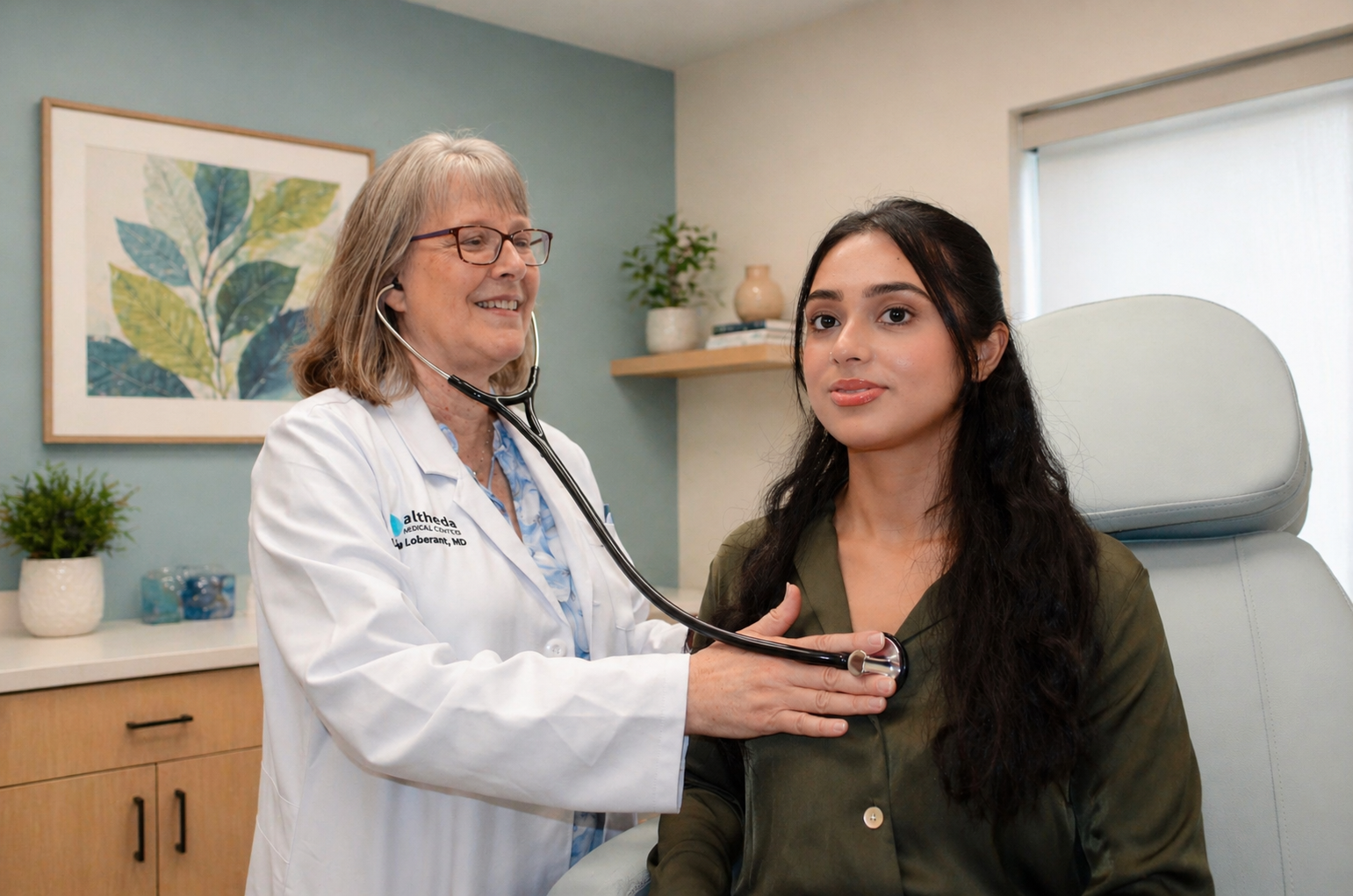
When a physical exam is appropriate, the provider may inspect and gently feel the breast tissue, nipple area, underarm area, and nearby lymph node regions. The goal is to document findings and decide whether monitoring, imaging referral, or follow-up is needed.
Will I be asked for consent before a breast exam?
Yes. A breast exam should be explained before it is performed, and you can ask questions, pause, or decline the exam. Your comfort, privacy, and consent are important throughout the visit.
Can I request a chaperone or support person?
Yes. You can ask about having a chaperone present during the exam. If you would like a support person involved in your care discussion, let the team know so they can help as appropriate.
Do I need to prepare for a breast exam?
There is usually no special preparation. It may help to write down when symptoms started, whether they change with your cycle, what side is affected, whether there is discharge, and whether you have prior mammogram or ultrasound reports to share.
Mammogram, Imaging & Referrals
7 questions • mammogram limits, outside imaging, diagnostic mammogram, ultrasound, and referrals.
If Altheda does not do mammograms in house, why schedule a breast exam?
A breast exam can still be a useful first step because the provider can review symptoms, document findings, assess risk factors, and determine whether breast imaging, referral, or follow-up may be appropriate. Mammograms and other imaging are completed through outside imaging facilities, not in house at Altheda.
Can Altheda refer me for a mammogram?
Yes. If your provider determines that imaging is appropriate, Altheda can help with referral guidance for a screening mammogram, diagnostic mammogram, breast ultrasound, or specialist evaluation depending on your symptoms, age, risk factors, and exam findings.
What is the difference between a screening mammogram and a diagnostic mammogram?
A screening mammogram is generally used to look for breast cancer before symptoms appear. A diagnostic mammogram is often used when there is a specific concern, such as a lump, pain, nipple discharge, or an abnormal screening result. Your provider can help determine which type may be appropriate.
Can a provider order a breast ultrasound instead of a mammogram?
Sometimes breast ultrasound may be recommended, especially for certain lumps, localized symptoms, dense breast tissue questions, younger patients, pregnancy-related concerns, or follow-up of a mammogram finding. The right imaging choice depends on the clinical situation and imaging facility guidance.
Do I need a referral before scheduling a mammogram?
That depends on the imaging type, your insurance, the imaging facility, and whether the mammogram is screening or diagnostic. Altheda can review your situation and help with referral guidance when clinically appropriate.
Can I bring outside mammogram or ultrasound results?
Yes. Bring or upload prior mammogram reports, breast ultrasound reports, biopsy results, imaging letters, or specialist notes. Comparing current symptoms with prior results can help your provider decide the next step.
Can Altheda guarantee same-day mammogram imaging?
No. Mammogram and breast imaging appointments are completed through outside imaging facilities, and availability depends on the imaging center, insurance requirements, referral processing, and clinical urgency.
Results, Follow-Up & Specialist Care
5 questions • documentation, next steps, imaging results, biopsy questions, and referrals.
What happens after the breast exam?
After the exam, your provider may recommend monitoring, symptom care, breast imaging referral, repeat exam, outside records review, specialist referral, or urgent evaluation depending on the findings and your health history.
Will I get a diagnosis during the breast exam?
Sometimes the provider can identify likely benign causes, but some breast concerns require imaging or specialist review before a clear diagnosis can be made. A breast exam is often one step in the evaluation process.
Who reviews mammogram or imaging results?
Mammogram and breast imaging results are interpreted by the imaging facility and radiology team. Altheda can help review the report with you, explain recommended follow-up, and coordinate next steps when results are available.
Does an abnormal breast imaging result mean cancer?
No. Many abnormal or unclear imaging findings are not cancer, but they may need additional views, ultrasound, short-interval follow-up, biopsy, or specialist review. Your provider can help explain the recommendation in context.
Can Altheda refer me to a breast specialist?
Yes. If symptoms, exam findings, imaging results, biopsy history, family history, or risk level suggest the need for specialty care, Altheda can help coordinate referral when appropriate.
Risk, Screening & Breast Awareness
5 questions • screening age, family history, breast awareness, dense breasts, and prevention questions.
At what age should I start mammogram screening?
Mammogram screening recommendations depend on age, personal risk, family history, prior breast findings, and guideline preferences. Many average-risk patients begin discussing screening around age 40. Your provider can review what timing may fit your situation.
What if I have a family history of breast cancer?
Tell your provider if a parent, sibling, child, or other close relative had breast cancer, ovarian cancer, pancreatic cancer, prostate cancer, early-age cancer, or known genetic mutations such as BRCA. Family history can change screening and referral recommendations.
What does breast self-awareness mean?
Breast self-awareness means knowing what is normal for your breasts so you can notice changes such as lumps, pain, skin changes, nipple changes, or swelling. If something feels new or unusual, schedule a provider visit rather than trying to decide alone.
Can dense breasts affect screening?
Dense breast tissue can make mammograms harder to interpret and may affect screening discussions. If you have been told you have dense breasts, bring your imaging report so your provider can review what follow-up or risk discussion may be appropriate.
Can breast cancer happen without a lump?
Yes. Some breast cancers may present with skin changes, nipple discharge, nipple inversion, breast shape changes, swelling, thickening, or imaging findings before a lump is felt. New breast changes should be reviewed even if you do not feel a lump.
Booking, Visit Scope & Pittsburgh-Area Care
5 questions • NexHealth booking, new or follow-up visits, visit limits, insurance, and local care.
How do I book a breast exam at Altheda?
Altheda schedules women’s health concerns through the Primary Care & Special Services department in NexHealth. Depending on whether you are new or established, you may choose a broad option such as new patient or follow-up patient rather than a specific breast exam visit reason.
Can one appointment cover breast exam, Pap smear, STD testing, birth control, and other concerns?
Not always. One appointment may not cover every requested service because visit time is limited and care depends on your symptoms, health history, safety needs, clinical priorities, testing requirements, and what can reasonably be completed during that visit. Follow-up visits may be recommended.
Can I book a breast exam as a new patient?
Yes. New patients can schedule under Primary Care & Special Services to establish care and discuss breast symptoms or screening questions. The provider will prioritize the most important concerns and may recommend additional visits or referrals if more time or testing is needed.
Is a breast exam covered by insurance?
Coverage depends on your insurance plan, diagnosis, visit type, exam findings, referrals, and any imaging performed by outside facilities. Patients can contact their insurance plan or Altheda’s team for general coverage questions before scheduling.
Where can I get a breast exam near Pittsburgh?
Altheda Medical Center provides breast exam visits and primary care support for patients in Pittsburgh and nearby communities, including Kennedy Township, McKees Rocks, Robinson, Moon, Coraopolis, Crafton, Carnegie, and surrounding areas. Mammograms are not performed in house, but referrals can be discussed when appropriate.
Schedule Your Breast Exam Today
Quick, comfortable visits with experienced clinicians at Altheda Medical Center