









PRIMARY CARE for Lifestyle Medicine

Medical Weight Management in Pittsburgh

Weight management is not about willpower alone. Health history, medications, hormones, sleep, stress, blood sugar, cholesterol, blood pressure, and daily routines can all play a role. Altheda offers supportive medical weight management in Pittsburgh with same-day or next-day appointments available.

Get seen right away!

Most insurance accepted

New patients welcome

Clinical image for Altheda Medical Center's medical weight management page in Pittsburgh showing provider having respectful weight-management conversation with adult patient.
Geisinger
Highmark
Capital
United Healthcare
Independence
Anthem
Aetna
Cigna
Medicare.gov
Humana
UPMC Health Plans
UMR
BlueCross BlueShield

Medical Weight Management Doctors Near Pittsburgh, PA

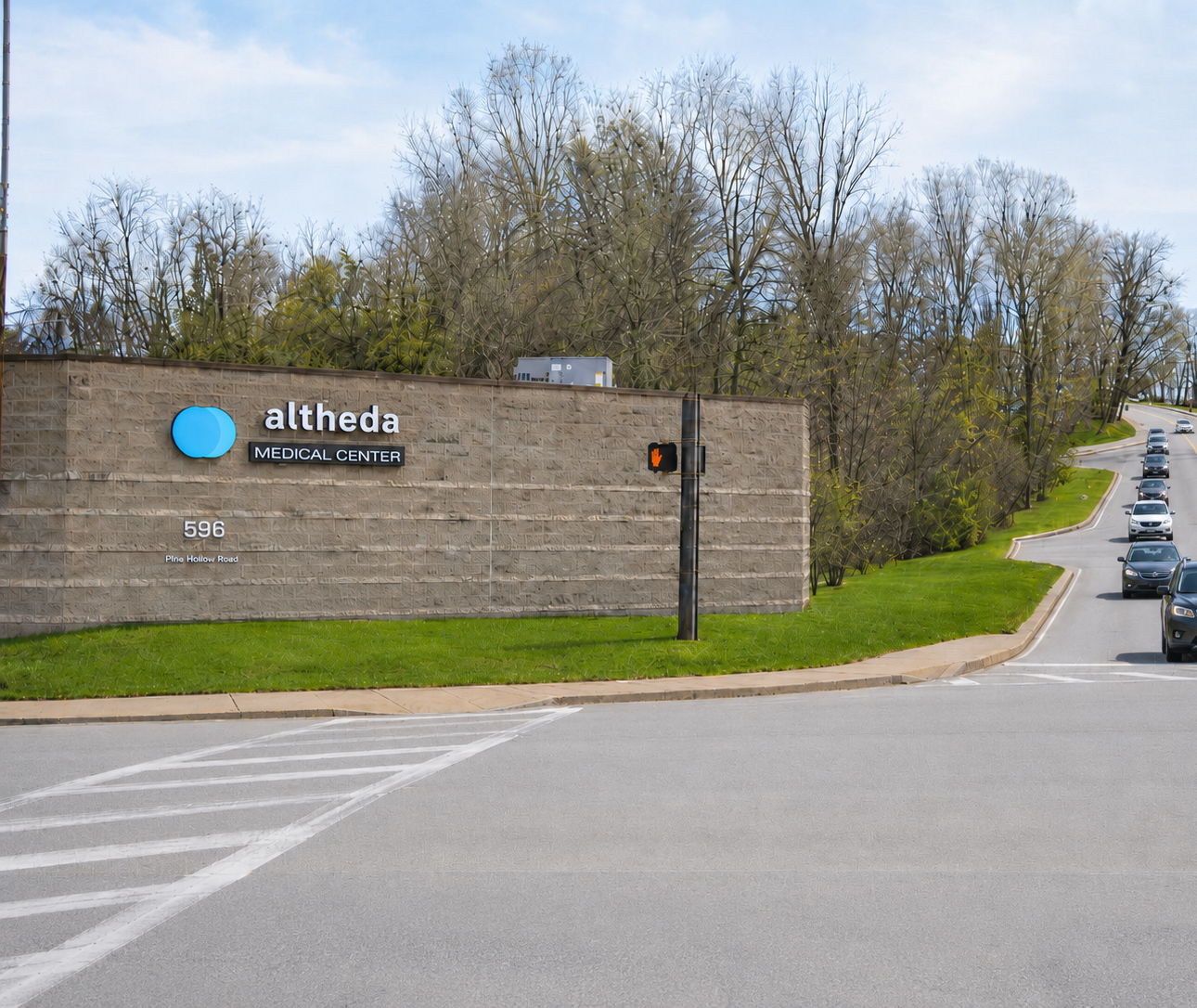
Conveniently located in Kennedy Township, Altheda welcomes patients from Pittsburgh, Coraopolis, Robinson Township, Moon, Green Tree, Crafton, Sewickley, and surrounding communities.

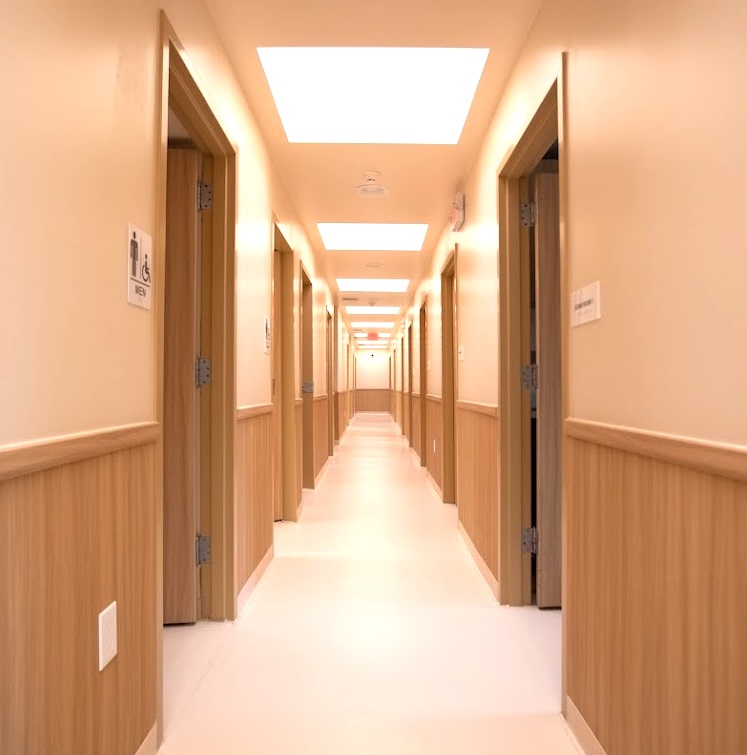
Our Facility

Explore Altheda’s modern, welcoming clinic spaces designed to make every visit feel comfortable, calm, and patient-centered.

Medical Weight Management

Weight loss treatment with expert one-on-one medical care

Excess weight can affect sleep, energy, mobility, breathing, skin health, and long-term metabolic wellness. Our clinician-guided medical weight management program helps identify contributing factors, screen for related health risks, and create a personalized treatment plan designed around you.

Common symptoms

Signs excess weight may be affecting daily life

Symptoms can have many causes. A medical evaluation can help determine whether weight, hormones, sleep quality, medications, or another condition may be contributing.
Icon representing difficulty sleeping and daytime drowsiness

Difficulty sleeping or daytime drowsiness

Restless sleep, snoring, or low daytime energy may be worth discussing with a medical provider.

Icon representing back and joint pain

Back or joint pain

Extra pressure on joints can make movement, exercise, and everyday routines more difficult.

Icon representing excessive sweating

Excessive sweating

Frequent sweating or discomfort with activity may affect confidence, comfort, and quality of life.

Icon representing heat intolerance

Intolerance to heat

Feeling overheated quickly can make work, exercise, and outdoor activity more challenging.

Icon representing skin irritation or infection in skin folds

Skin fold irritation or infections

Moisture and friction in skin folds may lead to irritation, rashes, or recurring infections.
Icon representing fatigue and low energy

Fatigue

Low energy can be linked to sleep, nutrition, hormones, stress, medications, or metabolic health.

Icon representing depression or low mood

Low mood or depression

Weight, sleep, stress, and mental health can influence each other and deserve compassionate care.

Icon representing shortness of breath

Shortness of breath

Breathing changes with activity may point to sleep, heart, lung, or weight-related concerns.

Clinical signs

What our medical team may review

Medical weight management is more than a number on the scale. Your provider may review physical signs, health history, medications, sleep patterns, lab work, and metabolic risk factors before recommending a plan.

  • Comprehensive health history and lab work
  • BMI, waist circumference, and body composition when appropriate
  • Blood pressure, blood sugar, cholesterol, thyroid, and liver health markers

What Is Medical Weight Management? Medical Weight Care

  • Medical weight management is care that looks at weight in the context of overall health. Instead of offering a generic diet plan, your provider may review your health history, medications, labs, blood pressure, blood sugar, cholesterol, sleep, activity, and goals. Medical weight care looks at weight in the context of overall health, not a generic diet plan. Your provider may review your history, labs, medications, sleep, activity, and goals.

  • Depending on your needs, your provider may discuss nutrition strategies, physical activity, chronic condition support, follow-up visits, referrals, or medication options when clinically appropriate. The goal is to build a plan that is realistic, safe, and connected to your long-term health. Your plan may include nutrition, activity, chronic condition support, follow-up, referrals, or medication discussion when appropriate. The goal is safe, realistic care.

Woman stretching outdoors as part of medical weight management and wellness goals
Many influencing factors Many factors
Higher risk of chronic conditions Chronic risks
Proper care can help you take control Care helps control
We're here to support your heart health Health support

Medical weight management may include health history review, blood pressure screening, lab review, nutrition and activity planning, medication discussion when clinically appropriate, and follow-up care. Your provider should interpret your needs in the context of your full health picture. (NIH)

What to Expect During Your Visit

  1. Altheda reception area during patient check-in

    Check In & Review

    Our team confirms your information, health history, and what has or hasn't worked before.

  2. Altheda provider evaluating a patient during a visit

    Provider Evaluation

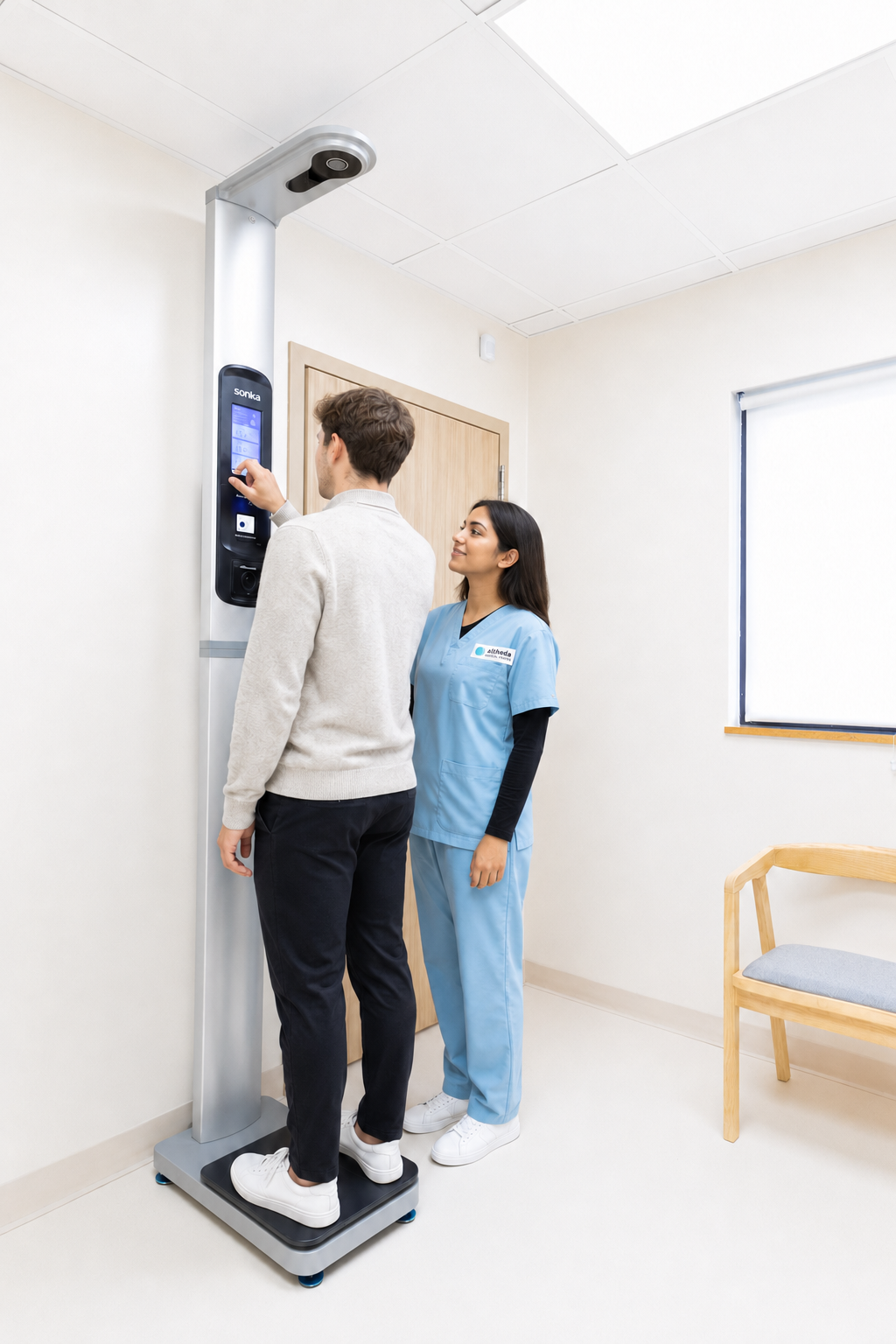
    Your visit may include vital signs, lab review, medication review, and screening for related health risks.

  3. Personalized follow-up care plan displayed on a tablet

    Follow-Up Plan

    Personalized plans, including labs, lifestyle goals, follow-up timing, referrals, or treatment discussions.

Repeated weight struggle support illustration

Repeated Weight Struggles

Have tried to lose weight but keep regaining it.

Weight-Related Conditions

Have high blood pressure, diabetes, prediabetes, high cholesterol, or other related concerns.

Weight related condition review illustration
Underlying weight health factor illustration

Underlying Health Factors

Are concerned about thyroid issues, fatigue, sleep, or medication-related weight changes.

Personalized medical weight guidance illustration


Personalized Medical Guidance

Want a medical evaluation, treatment discussion, and respectful support without judgment or extreme dieting.

Our Facility

Explore Altheda’s modern, welcoming clinic spaces designed to make every visit feel comfortable, calm, and patient-centered.

Why Choose Altheda for Medical Weight Management?

Altheda care team member at the medical center
  • Accessible appointments
  • Friendly, attentive care
  • Lab review and metabolic risk screening
  • Care for related conditions

Book a Weight Visit

What do patients say about Altheda?

Common Questions

Medical Weight Management FAQs

Helpful answers organized into collapsible categories for patients considering medical weight loss, GLP-1 medication, lab testing, and Pittsburgh-area care.

Medical Weight Management Basics

5 questions - what medical weight management is, who it helps, and why it is different from dieting.

What is medical weight management?

Medical weight management is clinician-guided care for patients who want to lose weight, improve metabolic health, or manage weight-related conditions. It may include health screening, lab work, nutrition counseling, activity planning, medication review, and prescription weight loss medication when clinically appropriate.

How is medical weight management different from a diet program?

A diet program often focuses mainly on food rules or short-term weight loss. Medical weight management looks at the full picture, including your medical history, medications, blood pressure, blood sugar, cholesterol, thyroid health, sleep, stress, and risk factors that may affect weight and long-term results.

Who may benefit from a medical weight loss visit?

You may benefit if you have struggled to lose weight, regained weight after dieting, have a BMI in the overweight or obesity range, have prediabetes, diabetes, high blood pressure, high cholesterol, sleep apnea, joint pain, fatty liver concerns, PCOS, or want a safer plan with medical oversight.

Is obesity considered a medical condition?

Yes. Obesity is commonly recognized as a chronic medical condition that can affect metabolism and increase the risk of other health problems. A medical weight management visit can help patients move away from blame-based dieting and toward a practical, evidence-informed care plan.

What health conditions can weight management help address?

Weight management may support better blood sugar, blood pressure, cholesterol, sleep apnea risk, joint pain, fatty liver risk, fertility-related concerns, mobility, and overall cardiovascular health. Your provider can help prioritize goals based on your personal health history.

Evaluation, Labs & Health Screening

5 questions - first visit, lab testing, fasting, weight gain causes, and health history review.

What happens during the first medical weight management visit?

Your provider may review your weight history, prior diet attempts, medications, medical conditions, family history, sleep, stress, eating patterns, activity level, blood pressure, lab results, and goals. The visit is used to create a realistic plan and decide whether labs or medication options are appropriate.

What labs are commonly checked for medical weight management?

Your provider may consider A1C, fasting glucose, cholesterol, kidney function, liver function, thyroid testing, blood count, vitamin levels, insulin resistance markers, pregnancy testing when relevant, or other labs based on your symptoms and medical history.

Do I need to fast before a weight management appointment?

Not always. Some labs can be done without fasting, while cholesterol, glucose, or insulin-related testing may require fasting depending on what your provider orders. The team can let you know whether fasting is needed before your visit.

Can Altheda check for medical causes of weight gain?

Yes. Altheda Medical Center can evaluate possible contributors such as thyroid disease, medication side effects, sleep problems, insulin resistance, menopause-related changes, PCOS, depression, stress, fluid retention, or other medical concerns that may affect weight.

Can I bring outside labs or records to my visit?

Yes. You can bring or upload outside lab results, medication lists, previous weight loss program records, diabetes or cholesterol results, thyroid labs, sleep study results, or notes from other clinicians. Your provider can review them and decide whether additional testing is needed.

GLP-1 & Prescription Weight Loss Medication

7 questions - semaglutide, tirzepatide, Wegovy, Zepbound, eligibility, timelines, and long-term planning.

Can Altheda prescribe weight loss medication?

Altheda Medical Center can evaluate whether prescription weight loss medication may be appropriate based on your BMI, weight-related conditions, medical history, lab results, current medications, insurance coverage, and safety considerations.

What are GLP-1 medications for weight loss?

GLP-1 medications are prescription medicines that can help regulate appetite, fullness, and blood sugar signals. Some GLP-1 or related medications are FDA-approved for chronic weight management when used with nutrition, physical activity, and medical monitoring.

Are semaglutide, Ozempic, and Wegovy the same thing?

Semaglutide is the medication ingredient found in different brand-name products. Wegovy is approved for chronic weight management in eligible patients, while Ozempic is commonly used for type 2 diabetes. Your provider can explain which option is appropriate and legally available for your situation.

Are tirzepatide, Mounjaro, and Zepbound the same thing?

Tirzepatide is the medication ingredient found in different brand-name products. Zepbound is approved for chronic weight management in eligible adults, while Mounjaro is used for type 2 diabetes. Medication choice depends on diagnosis, eligibility, coverage, supply, and safety.

Who qualifies for prescription weight loss medication?

Eligibility depends on clinical factors. Many anti-obesity medications are considered for adults with obesity, or for adults with overweight plus at least one weight-related condition such as high blood pressure, type 2 diabetes, high cholesterol, sleep apnea, or cardiovascular risk.

How fast do prescription weight loss medications work?

Response varies by patient and medication. Some patients notice appetite changes early, while weight changes usually build over time with dose adjustments, nutrition changes, activity, and follow-up. Your provider can help set realistic expectations and monitor progress.

Will I regain weight if I stop weight loss medication?

Some patients regain weight after stopping medication, especially without an ongoing maintenance plan. Medical weight management focuses on long-term strategies such as nutrition, activity, resistance training, sleep, medication review, and follow-up support.

Nutrition, Lifestyle & Long-Term Results

5 questions - food planning, exercise, realistic goals, metabolic health, and muscle preservation.

Do I still need nutrition and exercise changes if I use medication?

Yes. Prescription weight loss medication works best as part of a broader plan. Nutrition, physical activity, hydration, sleep, protein intake, and resistance training can help improve results, reduce regain risk, and support healthier body composition.

What kind of nutrition plan is used for medical weight management?

Your plan should be realistic and individualized. Your provider may discuss protein intake, fiber, portion patterns, meal timing, blood sugar control, hydration, reducing ultra-processed foods, and strategies that fit your culture, schedule, budget, and medical needs.

What is a realistic weight loss goal?

A realistic goal depends on your starting weight, health conditions, medication options, and consistency. Even modest weight loss can improve blood sugar, blood pressure, cholesterol, mobility, sleep, and other risk factors for many patients.

Can medical weight management help with prediabetes, high cholesterol, or high blood pressure?

Yes. Weight management often overlaps with metabolic care. Your provider may monitor A1C, glucose, cholesterol, blood pressure, kidney function, liver health, and medication needs while helping you build a plan for long-term risk reduction.

How can I avoid losing muscle while losing weight?

A safer weight management plan often includes enough protein, resistance training, gradual progress, hydration, and follow-up. Your provider can help you avoid overly restrictive plans that may increase fatigue, muscle loss, nutrient deficiencies, or weight regain.

Safety, Side Effects & Monitoring

5 questions - side effects, contraindications, pregnancy, diabetes, and when to call the office.

Are weight loss medications safe?

Weight loss medications can be helpful for the right patient, but they are not right for everyone. Safety depends on your medical history, other medications, pregnancy status, kidney and liver function, gastrointestinal history, thyroid cancer risk, and the specific medication being considered.

What are common side effects of GLP-1 or similar medications?

Common side effects may include nausea, vomiting, constipation, diarrhea, reflux, stomach discomfort, reduced appetite, headache, or fatigue. Side effects are often monitored during dose adjustments, and your provider can help decide whether changes are needed.

Who should not take certain weight loss medications?

Some medications may not be appropriate for patients with certain endocrine cancer histories, pancreatitis history, gallbladder disease, pregnancy, eating disorder history, uncontrolled blood pressure, seizure risk, medication interactions, or other safety concerns. A clinician should review risks before treatment.

Can I use weight loss medication if I have diabetes, thyroid disease, or PCOS?

Possibly, depending on your diagnosis, medications, lab results, and safety profile. Medical weight management can be coordinated with diabetes care, thyroid monitoring, PCOS management, and primary care follow-up when appropriate.

When should I contact the office about side effects?

Contact the office if you have persistent vomiting, dehydration, severe abdominal pain, signs of low blood sugar, allergic symptoms, worsening mood symptoms, rapid heart rate, dizziness, or side effects that make it hard to eat, drink, work, or take medications safely.

Insurance, Cost & Medication Access

4 questions - coverage, prior authorization, cash-pay alternatives, and compounded medication safety.

Is medical weight management covered by insurance?

Coverage depends on your insurance plan, diagnosis, visit type, lab testing, medication benefits, and prior authorization requirements. Patients can contact their insurance plan or Altheda's team for help with general coverage questions before scheduling.

Can Altheda help with prior authorization for weight loss medication?

When a medication is clinically appropriate, the team may help provide documentation requested by insurance, such as diagnosis, BMI, weight-related conditions, prior treatment attempts, and lab information. Approval is determined by the insurance plan.

What if my insurance does not cover GLP-1 medication for weight loss?

If coverage is limited, your provider can discuss other options such as lifestyle-focused care, alternative FDA-approved medications when appropriate, metabolic risk monitoring, manufacturer resources when available, or a plan to revisit coverage later.

Should I use compounded semaglutide or compounded tirzepatide?

Use caution with compounded or unapproved weight loss injections. Medication source, dosing, safety, and quality matter. Talk with a licensed clinician before using any compounded GLP-1 product, especially if the product is purchased online or advertised as a shortcut.

Appointments & Pittsburgh-Area Care

5 questions - new patients, availability, local care, first appointment prep, and when to book.

Can new patients book a medical weight management visit?

Yes. New patients can schedule a medical weight management visit at Altheda Medical Center to establish care, review goals, complete recommended screening, discuss treatment options, and create a follow-up plan.

How soon can I be seen for medical weight management in Pittsburgh?

Same-day or next-day appointments may be available depending on current scheduling. Patients can book online or contact Altheda Medical Center for medical weight management availability in the Pittsburgh area.

Where can I get medical weight management near Pittsburgh?

Altheda Medical Center provides medical weight management and primary care for patients in Pittsburgh and nearby communities, including Kennedy Township, McKees Rocks, Robinson, Moon, Coraopolis, Crafton, Carnegie, and surrounding areas.

How should I prepare for my first weight management appointment?

Bring your medication list, supplements, recent labs, insurance information, prior weight loss medication history, diabetes or thyroid results if available, and a short summary of what has or has not worked for you in the past.

When should I book a medical weight management appointment?

Consider booking if weight is affecting your health, energy, mobility, blood pressure, blood sugar, cholesterol, sleep, confidence, or quality of life, or if you want to discuss GLP-1 medication, prescription weight loss options, lab testing, or a medically supervised plan.

Schedule Your Weight Management Appointment Today

Stay ahead of your health with comprehensive evaluation from experienced clinicians at Altheda 

You cannot copy content of this page

Pricing and Insurance

Insurance

*82% of patients that used accepted insurance to pay for Primary Care Appointments paid $40 or less per appointment.

Self-pay price (per appointment)

  • First appointment $140
  • Follow-up appointments $100

Repeated missed appointments or cancellations with less than 24 hours’ notice may result in restrictions on future scheduling.

Altheda accepts a wide variety of PPO plans. Start booking to verify if your insurance plan is accepted.

Highmark insurance logo for accepted insurance plans at Altheda Medical Center.
Independence Blue Cross insurance logo
Capital Blue Cross insurance logo
Blue Cross Blue Shield insurance logo for accepted insurance plans at Altheda Medical Center.
Anthem Blue Cross Blue Shield insurance logo
UPMC Health Plan insurance logo for accepted insurance plans at Altheda Medical Center.
Medicare logo for accepted insurance plans at Altheda Medical Center.
UMR insurance logo for accepted insurance plans at Altheda Medical Center.
UnitedHealthcare insurance logo for accepted insurance plans at Altheda Medical Center.
Aetna insurance logo for accepted insurance plans at Altheda Medical Center.
Humana insurance logo for accepted insurance plans at Altheda Medical Center.
Cigna insurance logo for accepted insurance plans at Altheda Medical Center.

NEARBY COMMUNITIES

Altheda Medical Center is conveniently located in Kennedy Township, PA and welcomes patients from nearby communities across the Pittsburgh area. 

Communities We Commonly Serve

  • Pittsburgh, PA
  • Kennedy Township, PA  
  • Moon Township, PA
  • Sewickley, PA
  • Robinson Township, PA
  • Coraopolis, PA
  • Neville Township, PA
  • McKees Rocks, PA
  • Carnegie, PA
  • North Fayette Township, PA
  • Green Tree, PA
  • Crafton, PA
  • Bellevue, PA
  • Avalon, PA
  • Ingram, PA
  • Stowe Township, PA
  • Thornburg, PA
  • Rosslyn Farms, PA
  • Washington, PA
  • McDonald, PA

We have one physical clinic location in Kennedy Township, PA. Patients may travel from these surrounding communities for care. 

Need directions? Contact Altheda or use the map on our website to plan your visit.