










Painful Periods and Menstrual Cramps in Pittsburgh

Painful periods, severe cramps, pelvic pain, nausea, fatigue, or symptoms that disrupt daily life should be reviewed. Altheda Medical Center provides supportive menstrual pain visits and next-step guidance in Pittsburgh.

Get seen right away!

Most insurance accepted

New patients welcome

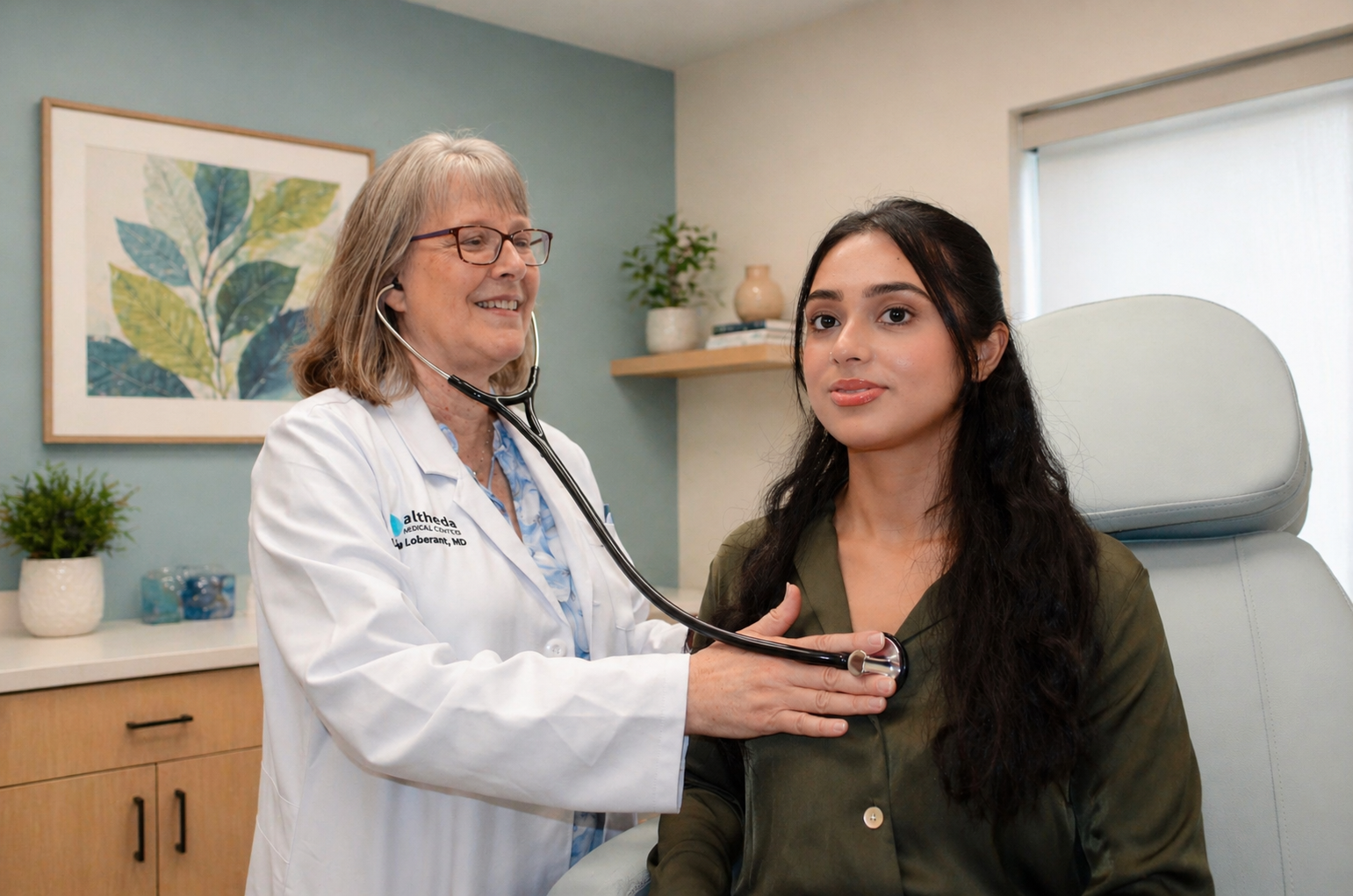
Provider speaking with a patient during a confidential women’s health visit for painful periods or menstrual pain at Altheda Medical Center near Pittsburgh.
Geisinger
Highmark
Capital
United Healthcare
Aetna
Cigna
Medicare.gov
Humana
UPMC Health Plans
UMR
BlueCross BlueShield

Painful Periods / Menstrual Pain and Doctors Near Pittsburgh, PA

Conveniently located in Kennedy Township, Altheda welcomes patients from Pittsburgh, Coraopolis, Robinson Township, Moon, Green Tree, Crafton, Sewickley, and surrounding communities.

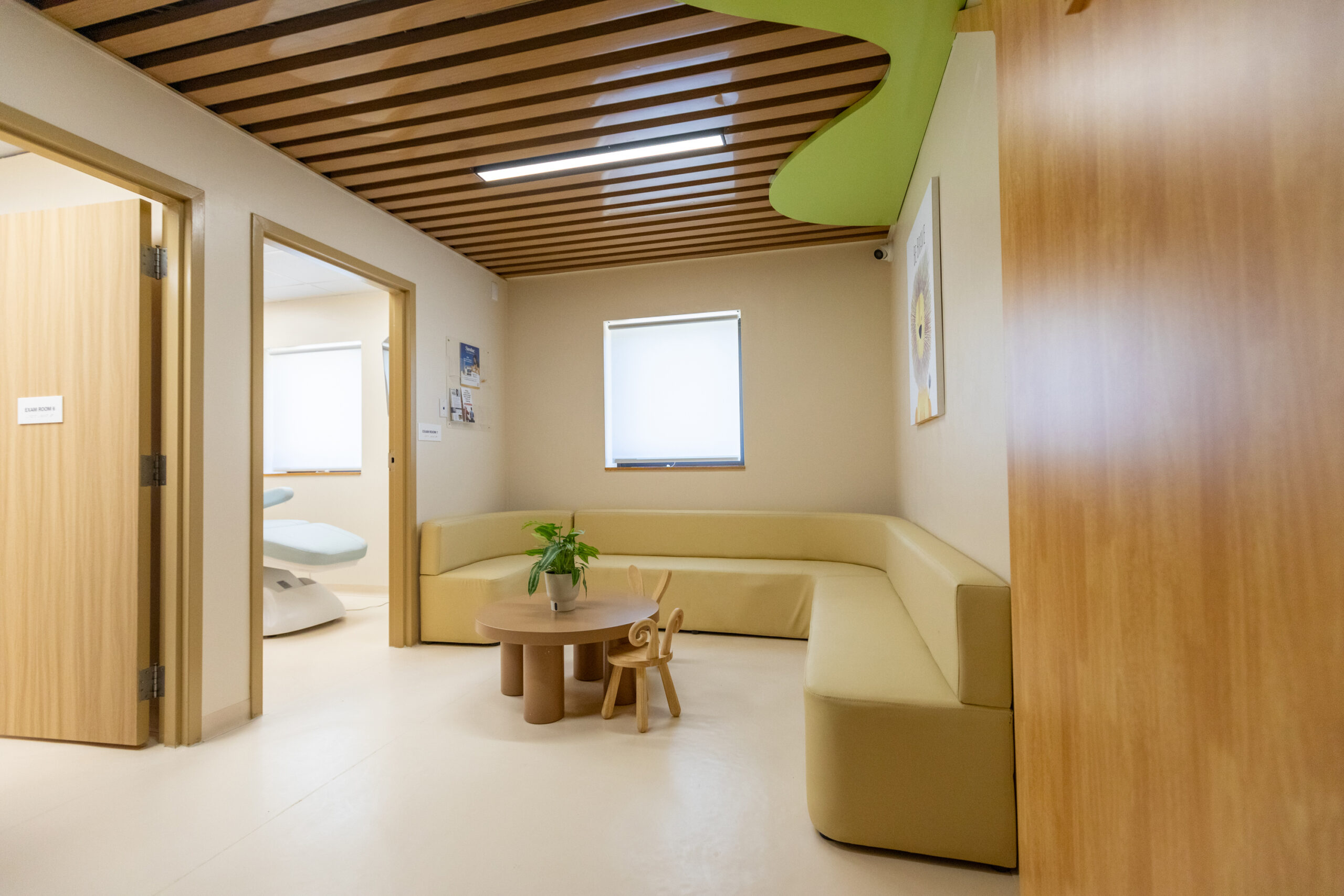
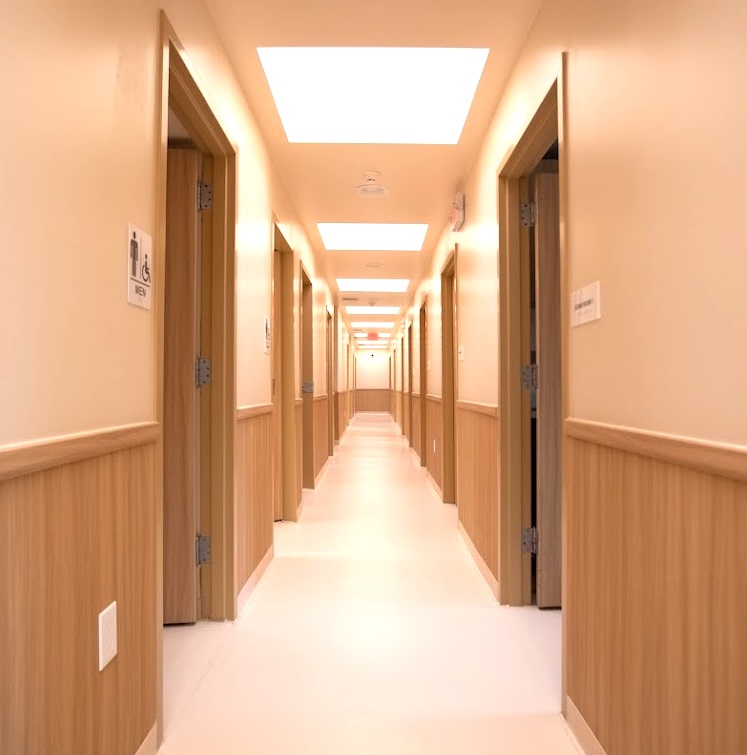
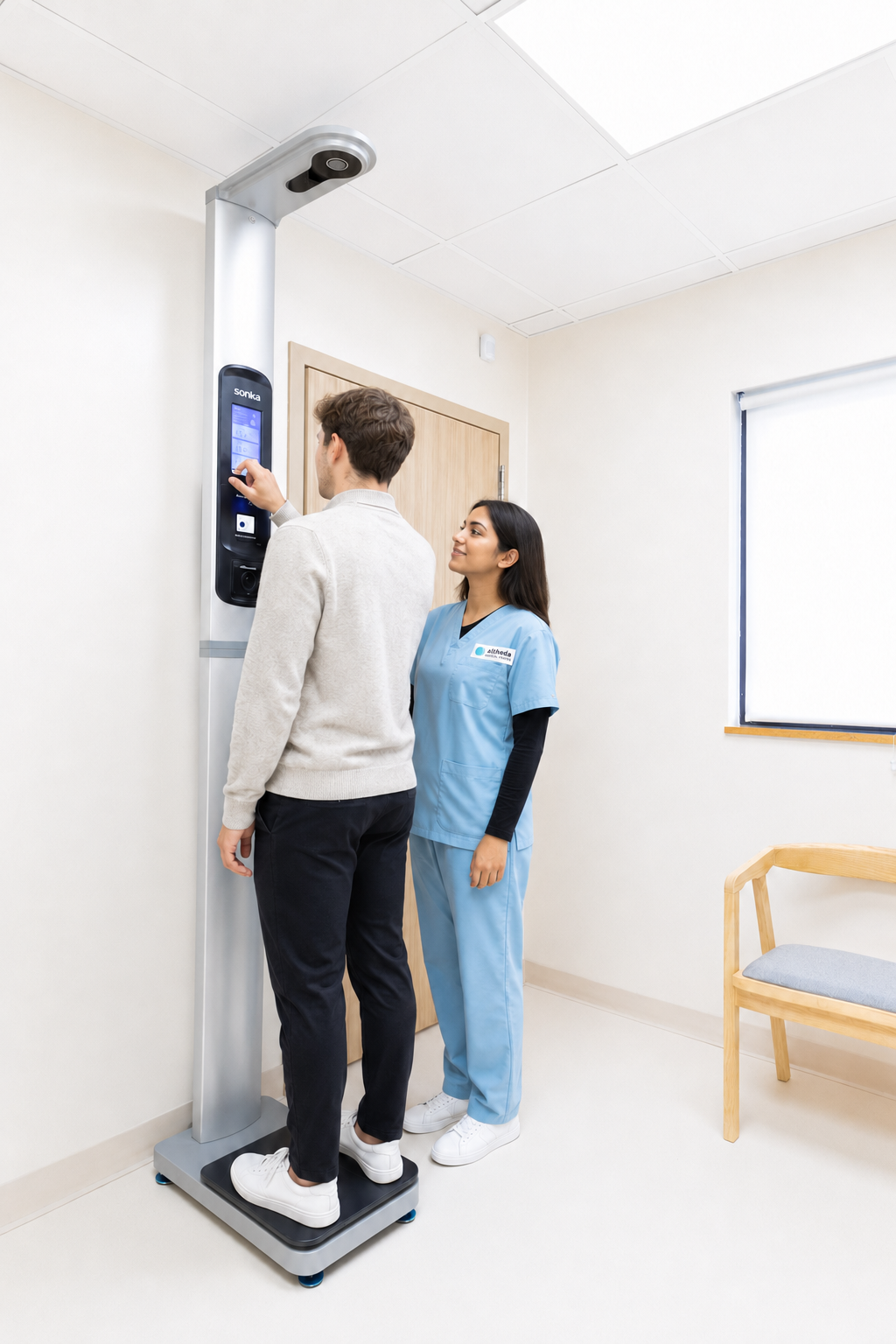
Our Facility

Explore Altheda’s modern, welcoming clinic spaces designed to make every visit feel comfortable, calm, and patient-centered.

Menstrual Pain Review

Severe period pain should not be ignored

Some cramping can happen with periods, but pain that is severe, worsening, new, one-sided, or disruptive may need review. A provider can discuss pain patterns, bleeding, cycle history, pelvic symptoms, birth control options, and whether additional testing or referral may be appropriate.

Review severe, worsening, new, one-sided, or disruptive period pain with a provider.

Pain pattern review Cycle history Clear care plan
Why it matters

Menstrual pain can overlap with pelvic pain, heavy bleeding, endometriosis concerns, fibroids, infection, ovarian concerns, or other issues. A visit helps determine what should be monitored and what should be evaluated further.

Menstrual pain can overlap with other concerns. A visit can clarify next steps.

Before your visit

What to know about painful period visits

Your visit can help review pain patterns, bleeding, cycle history, pelvic symptoms, treatment options, testing needs, and follow-up planning.

Quick details before you schedule.

01

What it reviews

Your provider may review cramp severity, timing, pain location, bleeding amount, nausea, bowel or bladder symptoms, pain with sex, and whether pain has changed over time.

02

Who it helps

This visit may help patients with severe cramps, worsening menstrual pain, pelvic pain during periods, or pain that limits normal activities.

03

How it works

Your provider reviews your symptoms and may discuss medication options, birth control options, pelvic exam, labs, ultrasound referral, or specialist referral when appropriate.

04

Next steps

You leave with guidance for symptom management, testing, follow-up, referral, or treatment options that fit your history and goals.

When to schedule

Schedule a visit if period pain is severe, changing, or disrupting your life

A provider visit can help you understand whether your pain pattern sounds typical or whether more evaluation may be needed.

A provider can help decide whether more evaluation may be needed.

  • Cramps that keep you from school, work, or daily activities
  • Pain that is getting worse over time
  • New pelvic pain with periods
  • Heavy bleeding with pain
  • Pain with sex, bowel movements, or urination
  • Nausea, vomiting, dizziness, or fatigue with periods
  • Pain that does not improve with usual self-care
Safety note

Sudden severe pelvic pain, fainting, fever, pregnancy-related pain or bleeding, or severe one-sided pain may need urgent care.

Altheda Medical Center provider consultation for menstrual pain and cycle symptom review
Clear review, respectful care

Talk through pain patterns, cycle symptoms, treatment options, and follow-up.

What to Expect During Your Visit

  1. Pain and cycle review for a painful periods visit

    Pain & Cycle Review

  2. Provider reviewing health history for painful periods

    Health Review

  3. Care plan for painful periods and menstrual pain

    Care Plan

Our Facility

Explore Altheda’s modern, welcoming clinic spaces designed to make every visit feel comfortable, calm, and patient-centered.

Why Choose Altheda for Painful Periods and Menstrual Cramps?

Altheda provider supporting a patient during a painful periods and menstrual cramps visit
  • Symptoms Are Taken Seriously Painful periods can be disruptive. We help patients talk through symptoms without minimizing them.
  • Personalized Care Planning Your plan can consider pain severity, bleeding, birth control goals, sexual health, and medical history.
  • Clear Next Steps Your provider explains whether monitoring, treatment, testing, exam, imaging referral, or specialist referral may be appropriate.
  • Connected Women’s Health Services Altheda can connect menstrual pain with pelvic exam, birth control consultation, PCOS evaluation, and preventive care.

Schedule Period Pain Visit

What do patients say about Altheda?

Common Questions

Painful Periods and Menstrual Cramps FAQs

Helpful answers about period pain, menstrual cramps, possible causes, testing, treatment planning, warning signs, and scheduling.

Painful Period Basics

5 questions • painful periods, dysmenorrhea, cramps, and why pain happens.

What are painful periods?

Painful periods are menstrual cycles with cramping or pelvic pain that may feel sharp, aching, throbbing, or pressure-like. Some mild cramping can happen, but pain that is severe, worsening, new, one-sided, or disruptive should be reviewed with a clinician.

What is dysmenorrhea?

Dysmenorrhea is the medical term for painful menstrual periods or menstrual cramps. A visit can help review whether the pain pattern sounds like common menstrual cramping or whether another condition may need evaluation.

Are menstrual cramps normal?

Mild to moderate cramps can happen with periods, but cramps that interfere with school, work, sleep, daily activities, or normal movement are worth discussing. Severe pain is not something patients should feel they have to ignore.

What is the difference between primary and secondary dysmenorrhea?

Primary dysmenorrhea is menstrual pain that is not linked to a known pelvic condition. Secondary dysmenorrhea is period pain related to another issue, such as endometriosis, fibroids, adenomyosis, pelvic infection, or another pelvic concern.

Why do menstrual cramps happen?

Cramps often happen when the uterus contracts during menstruation. Hormone-like substances involved in inflammation and uterine contractions can contribute to cramping, and some patients have stronger pain responses than others.

Symptoms & When to Schedule

6 questions • severe cramps, worsening pain, heavy bleeding, and timing.

When should I schedule a visit for painful periods?

Schedule a visit if period pain is severe, worsening, new for you, hard to control with usual measures, associated with heavy bleeding, or affecting your ability to function. You should also schedule if the pain pattern has changed or if you are worried about endometriosis, fibroids, infection, or another condition.

What symptoms can happen with menstrual cramps?

Menstrual cramps may include lower abdominal or pelvic pain, low back pain, thigh pain, nausea, loose stools, headache, dizziness, fatigue, or pain that starts before bleeding begins. The pattern, timing, and severity help guide the next step.

Is it normal for pain to start before my period?

Some patients notice cramping shortly before bleeding starts. Pain that begins many days before the period, continues after bleeding ends, happens outside the period, or keeps getting worse should be reviewed.

Is severe period pain normal?

Severe period pain is common enough that many patients experience it, but that does not mean it should be ignored. Pain that disrupts life, causes missed school or work, or requires frequent medication deserves a medical review.

Should I schedule if cramps are getting worse over time?

Yes. Period pain that progressively worsens, starts later in life after years of manageable periods, or changes suddenly may suggest a secondary cause and should be evaluated.

Can painful periods happen with heavy bleeding or irregular periods?

Yes. Painful periods can occur with heavy bleeding, irregular periods, spotting, clots, pelvic pressure, or cycle changes. These symptoms can overlap with fibroids, endometriosis, adenomyosis, hormonal changes, pregnancy-related concerns, or other conditions.

Possible Causes & Related Conditions

6 questions • endometriosis, fibroids, adenomyosis, infection, IUDs, and stress.

Can endometriosis cause painful periods?

Yes. Endometriosis can cause painful periods, pelvic pain, pain with sex, bowel or bladder pain around periods, and fertility concerns. A visit can help review symptoms and decide whether referral, imaging, or additional evaluation may be appropriate.

Can fibroids cause menstrual cramps or pelvic pain?

Yes. Fibroids can contribute to heavy bleeding, pelvic pressure, cramps, prolonged periods, or pain. Not every fibroid causes symptoms, so evaluation depends on the patient’s history, exam findings, and whether imaging is needed.

Can adenomyosis cause painful periods?

Yes. Adenomyosis can be associated with painful periods, heavy bleeding, pelvic pressure, and an enlarged or tender uterus. If symptoms suggest adenomyosis, the provider may discuss imaging or referral options.

Can infection or STDs cause pelvic pain around a period?

Yes. Pelvic infection, pelvic inflammatory disease, or sexually transmitted infections can cause pelvic pain, discharge, odor, fever, pain with sex, or bleeding changes. These symptoms should be evaluated promptly.

Can an IUD affect cramps?

Some patients notice cramping with an IUD, especially soon after placement, and copper IUDs may be associated with heavier or more painful periods in some patients. New, severe, persistent, or one-sided pain after IUD placement should be reviewed.

Can stress or anxiety make period pain feel worse?

Stress and anxiety may affect how pain is experienced and managed, but they should not be used to dismiss severe or changing symptoms. A visit can help review both physical and lifestyle factors while checking for medical causes.

Testing & What May Happen During the Visit

6 questions • history review, pelvic exam, labs, pregnancy test, ultrasound, tracking.

What happens during a painful period visit?

Your provider may review your cycle pattern, pain timing, bleeding amount, clotting, pregnancy possibility, medications, birth control, IUD history, discharge, fever, urinary symptoms, bowel symptoms, sexual health history, and prior testing. The goal is to decide what should be monitored, treated, tested, or referred.

Do I need a pelvic exam for menstrual cramps?

Not always. Whether a pelvic exam is recommended depends on your symptoms, age, comfort, sexual history, bleeding pattern, pregnancy possibility, infection concerns, and clinical judgment. The provider should explain why an exam may or may not be helpful.

Will I need lab testing for painful periods?

Lab testing depends on your symptoms. A provider may consider pregnancy testing, blood count, infection testing, STI testing, thyroid or hormone-related labs, or other testing if the history suggests it.

Will I need a pregnancy test?

A pregnancy test may be recommended when pregnancy is possible, especially with severe pain, late period, abnormal bleeding, one-sided pain, dizziness, or other concerning symptoms. Pregnancy-related pain should be taken seriously.

Can Altheda order or coordinate ultrasound if needed?

Yes. If symptoms suggest fibroids, ovarian concerns, adenomyosis, or another pelvic issue, Altheda can discuss whether pelvic ultrasound or outside imaging coordination may be appropriate. Imaging decisions depend on symptoms and clinical findings.

Should I bring a period tracker or pain notes?

Yes. Bring notes about cycle dates, bleeding amount, pain location, pain severity, what helps, missed work or school, medication use, birth control, discharge, fever, urinary symptoms, bowel symptoms, and whether pain happens outside the period.

Relief, Treatment Planning & Follow-Up

6 questions • home care, medication discussion, birth control, follow-up, referral.

What can help relieve menstrual cramps?

Some patients find relief with heat, rest, hydration, gentle movement, warm showers, and medication options recommended by a clinician. The safest plan depends on your medical history, allergies, kidney or stomach conditions, bleeding risk, medications, and pregnancy possibility.

Can over-the-counter pain medicine help?

Over-the-counter anti-inflammatory medicines can help some patients with cramps, but they are not right for everyone. A provider can review safe dosing, timing, medication interactions, and whether pain that does not respond needs more evaluation.

Can birth control help painful periods?

Hormonal birth control may reduce menstrual pain for some patients by changing cycle patterns or bleeding. A birth control discussion should consider medical history, blood pressure, migraine history, smoking status, clot risk, pregnancy goals, side effects, and patient preference.

What if period pain does not improve?

If pain continues despite usual measures, worsens over time, or returns every month with major disruption, follow-up is important. The provider may recommend additional testing, imaging, medication changes, symptom tracking, or referral.

Can Altheda help create a period pain care plan?

Yes. Altheda can help review symptoms, discuss pain-control options, evaluate related bleeding or cycle concerns, order appropriate testing when needed, and create a follow-up plan based on your goals and clinical needs.

Will I need a specialist referral?

A referral may be recommended if symptoms suggest endometriosis, fibroids, adenomyosis, ovarian concerns, complex bleeding, persistent pelvic pain, fertility concerns, or a condition that needs specialty evaluation or procedure-based care.

Warning Signs, Pregnancy & Urgent Care

5 questions • severe pain, pregnancy concerns, fever, discharge, one-sided pain.

When should period pain be treated as urgent?

Seek urgent care or emergency help for sudden severe pelvic pain, fainting, shoulder pain, severe dizziness, heavy bleeding with weakness, fever with pelvic pain, severe vomiting, trouble standing, or pain with a possible pregnancy.

Could severe cramps mean pregnancy-related pain?

Yes. Severe pelvic pain with a late period, missed period, abnormal bleeding, dizziness, or pregnancy possibility should be evaluated promptly. Some pregnancy-related causes of pain can be urgent.

What if I have fever, discharge, or pelvic pain?

Fever, foul-smelling discharge, worsening pelvic pain, pain with sex, or new bleeding changes may suggest infection or another condition that needs prompt evaluation. Do not wait for symptoms to become severe.

What if pain is one-sided or sudden?

Sudden one-sided pelvic pain can have several causes, including ovarian, pregnancy-related, urinary, gastrointestinal, or infection-related concerns. Severe or sudden one-sided pain should be assessed promptly.

What if pain happens outside my period?

Pain that occurs between periods, starts more than several days before bleeding, continues after bleeding ends, or happens with sex, urination, bowel movements, or exercise should be reviewed because it may not be simple menstrual cramping.

Booking, Visit Scope & Pittsburgh-Area Care

6 questions • scheduling, visit limits, active bleeding, coverage, and local care.

How do I schedule a painful period visit?

Patients can schedule online using the available new patient or follow-up / established patient option. During the visit, the provider can review your main concern, symptoms, health history, and next steps.

Can new patients schedule for menstrual cramps?

Yes. New patients can schedule a visit to discuss painful periods, menstrual cramps, cycle concerns, bleeding pattern, and whether testing, treatment planning, follow-up, or referral may be appropriate.

Can one appointment cover painful periods plus other women’s health services?

One appointment may not cover every requested service. What can be addressed depends on your health history, symptoms, clinical priorities, testing needs, safety considerations, and available appointment time. Pap smear, HPV testing, STD testing, pelvic exam, birth control consultation, PCOS evaluation, preventive women’s health care, and symptom visits may need separate visits or follow-up.

Should I come in while actively bleeding?

For a period-pain discussion, active bleeding is not always required. If you are actively bleeding, contact the team before the visit so they can tell you whether to keep or reschedule, especially if an exam or testing may be needed. Severe pain, heavy bleeding, fainting, fever, pregnancy-related pain, or sudden one-sided pain should not wait for a routine visit.

Is painful period care covered by insurance?

Coverage depends on your insurance plan, diagnosis, visit type, labs, imaging, medications, and referrals. Patients can contact their insurance plan or Altheda’s team for general coverage questions before scheduling.

Where can I get care for painful periods near Pittsburgh?

Altheda Medical Center provides visits for painful periods, menstrual cramps, abnormal bleeding, and related women’s health concerns for patients in Pittsburgh and nearby communities, including Kennedy Township, McKees Rocks, Robinson, Moon, Coraopolis, Crafton, Carnegie, and surrounding areas.

Schedule Your Visit Today

Quick, comfortable visits with experienced clinicians at Altheda Medical Center

You cannot copy content of this page

Pricing and Insurance

Insurance

*82% of patients that used accepted insurance to pay for similar appointments paid $40 or less per appointment.

Self-pay price (per appointment)

  • First appointment $140
  • Follow-up appointments $100

Repeated missed appointments or cancellations with less than 24 hours’ notice may result in restrictions on future scheduling.

Altheda accepts a wide variety of PPO plans. Start booking to verify if your insurance plan is accepted.

Highmark insurance logo for accepted insurance plans at Altheda Medical Center.
Independence Blue Cross insurance logo
Capital Blue Cross insurance logo
Blue Cross Blue Shield insurance logo for accepted insurance plans at Altheda Medical Center.
Anthem Blue Cross Blue Shield insurance logo
UPMC Health Plan insurance logo for accepted insurance plans at Altheda Medical Center.
Medicare logo for accepted insurance plans at Altheda Medical Center.
UMR insurance logo for accepted insurance plans at Altheda Medical Center.
UnitedHealthcare insurance logo for accepted insurance plans at Altheda Medical Center.
Aetna insurance logo for accepted insurance plans at Altheda Medical Center.
Humana insurance logo for accepted insurance plans at Altheda Medical Center.
Cigna insurance logo for accepted insurance plans at Altheda Medical Center.

NEARBY COMMUNITIES

Altheda Medical Center is conveniently located in Kennedy Township, PA and welcomes patients from nearby communities across the Pittsburgh area. 

Communities We Commonly Serve

  • Pittsburgh, PA
  • Kennedy Township, PA  
  • Moon Township, PA
  • Sewickley, PA
  • Robinson Township, PA
  • Coraopolis, PA
  • Neville Township, PA
  • McKees Rocks, PA
  • Carnegie, PA
  • North Fayette Township, PA
  • Green Tree, PA
  • Crafton, PA
  • Bellevue, PA
  • Avalon, PA
  • Ingram, PA
  • Stowe Township, PA
  • Thornburg, PA
  • Rosslyn Farms, PA
  • Washington, PA
  • McDonald, PA

We have one physical clinic location in Kennedy Township, PA. Patients may travel from these surrounding communities for care. 

Need directions? Contact Altheda or use the map on our website to plan your visit.