











Same-Day Back Pain & Muscle Strain Visit in Pittsburgh
Back pain, muscle strain, and spasms can make everyday movement difficult. Altheda offers same-day back pain visits in Pittsburgh, with remote or in-person options when appropriate.
Get seen right away!
Most insurance accepted
New patients welcome
Back Pain & Muscle Strain Visits
Can I get a same-day visit for back pain in Pittsburgh?
Yes. Altheda offers same-day visits in Pittsburgh for back pain, muscle strain, spasms, and movement-related discomfort. Some mild to moderate back pain concerns may be appropriate for a remote visit, while severe pain, injury, or nerve-related symptoms may need in-person or urgent evaluation.
Yes. Altheda offers same-day visits for back pain, muscle strain, spasms, and movement-related discomfort.
Mild pain may start remotely. Injury, severe pain, weakness, or nerve symptoms may need in-person care.
Mild pain may start remotely. Warning signs may need in-person care.
Remote or In-Person Visit
Can this visit be done remotely?
Some back pain and muscle strain concerns may be appropriate for remote care, especially when pain is mild to moderate, started after activity, and does not include warning signs. In-person care may be recommended if your clinician needs to assess movement, strength, nerve symptoms, injury, or whether imaging or referral may be needed.
Some mild to moderate back pain can start remotely. Injury, nerve symptoms, severe pain, or imaging concerns may need in-person care.
Remote visit may be appropriate for
- Mild to moderate back pain
- Muscle strain after activity
- Back spasms without severe symptoms
- Stiffness or pain after lifting or exercise
- Medication questions
- Activity and recovery guidance
- Follow-up for improving symptoms
In-person visit may be better for
- Back pain after a fall, accident, or injury
- New weakness in the legs
- Worsening numbness or tingling
- Loss of bladder or bowel control
- Numbness in the groin or saddle area
- Fever, severe pain, unexplained weight loss, or serious medical history
- Symptoms that may require imaging, physical exam, or urgent evaluation
Is this visit right for me?
Good fit for back pain or muscle strain concerns
This visit may help with mild to moderate back pain, strain, spasms, stiffness, activity-related discomfort, or questions about safe recovery.
Show more back pain concerns
Symptom Recognition
Back Pain and Muscle Strain Symptoms We Can Evaluate
Common symptoms that may be reviewed during a same-day back pain or muscle strain visit include:
What to Expect During Your Visit
-
1
Tell Us How the Pain Started
-
2
Get Evaluated
-
3
Get a Care Plan
Treatment & Care Options
Back Pain and Muscle Strain Care Options May Include
Depending on your evaluation, your clinician may discuss at-home care, safe activity changes, medication options, follow-up, referral guidance, or whether remote care is enough or an in-person exam is needed.
Your clinician may discuss at-home care, safe activity, medication options, follow-up, referral guidance, or whether an exam is needed.
Guidance may include rest, activity modification, and ways to avoid worsening symptoms.
Your clinician may discuss heat or ice use and over-the-counter pain relief guidance.
Prescription medication may be discussed when clinically appropriate.
Recommendations may include safe movement, gentle stretching, and recovery guidance.
Follow-up may be recommended if symptoms persist, worsen, or affect daily activity.
Physical therapy, imaging, specialist care, or an in-person exam may be discussed if needed.
Your clinician can evaluate your symptoms and recommend a practical care plan based on your history and exam.
Review symptoms, activity limits, safe movement, medication options, follow-up needs, and whether an exam is needed.
Urgent or Emergency Care
When Back Pain May Need Urgent or Emergency Care
Most back pain is not an emergency, but certain symptoms should be checked promptly. Seek urgent or emergency care if pain follows major injury, includes new weakness, bladder or bowel changes, fever, chest symptoms, or feels severe or concerning.
Do not wait for a routine visit if you have loss of bladder or bowel control, numbness in the groin area, new leg weakness, chest pain, shortness of breath, or severe unexplained pain.
Show back pain warning symptoms
Why Choose Altheda for Back Pain & Muscle Strain Visit?
- Practical Pain Review We review how pain started, where it hurts, movement limits, and whether symptoms are changing.
- Virtual or In-Person Options Start virtually when appropriate, with in-person care available if an exam is needed.
- Clear Care Planning Your plan may include activity guidance, medication options, stretching, and follow-up.
- Safety-Focused Next Steps We help identify symptoms that may need urgent care, imaging guidance, or a specialist referral.
- Connected Primary Care Support If pain overlaps with work strain, chronic conditions, mood, weight, or mobility concerns, we help guide next steps.
What do patients say about Altheda?
Back Pain & Muscle Strain Visit FAQs
Helpful answers about back pain, muscle strain, stiffness, lifting injuries, sciatica-like symptoms, remote vs in-person care, treatment options, and when back pain needs urgent attention.
Back Pain & Muscle Strain Visit Basics
6 questions - visit purpose, symptoms, scope, and what to expect.
What is a back pain and muscle strain visit?
A back pain and muscle strain visit is an appointment for symptoms such as low back pain, mid-back discomfort, muscle tightness, stiffness, spasms, pain after lifting or twisting, pain after exercise, or back pain that is not improving as expected.
Can Altheda evaluate back pain or muscle strain?
Yes. Altheda can evaluate back pain and muscle strain symptoms, review how the pain started, assess warning signs, discuss safe movement, review medication options when appropriate, and recommend next steps based on your history and exam needs.
What symptoms can be reviewed during this visit?
Your provider can review pain location, stiffness, spasms, pain with bending or lifting, pain after activity, symptoms going into the buttock or leg, numbness or tingling, weakness, fever, injury history, medication use, and whether symptoms are improving or worsening.
Can one visit cover every back pain concern?
One appointment may not cover every requested concern. What can be addressed depends on symptom severity, injury history, health history, safety concerns, exam needs, testing needs, clinical priorities, and available appointment time. Follow-up or referral may be recommended.
What happens during a back pain visit?
Your provider may ask when pain started, what you were doing when it began, where it hurts, what makes it better or worse, whether pain travels down the leg, whether you have numbness or weakness, and what treatments you have already tried.
Is back pain always caused by a muscle strain?
No. Muscle strain is common, but back pain can also involve joints, discs, nerves, posture, inflammation, injury, kidney-related concerns, or other medical issues. A provider can review the pattern and help decide the most appropriate next step.
Symptoms & When to Schedule
6 questions - stiffness, spasms, lifting pain, leg symptoms, and worsening pain.
When should I schedule a visit for back pain?
Consider scheduling if back pain is severe, worsening, not improving after a few days, limiting work or daily activities, started after lifting or twisting, travels into the leg, or comes with numbness, tingling, weakness, fever, or urinary symptoms.
When should I schedule for a possible muscle strain?
Schedule a visit if you have pain after lifting, twisting, exercising, bending, or overuse and symptoms are severe, not improving, returning often, limiting movement, or associated with spasms, bruising, weakness, numbness, or pain down the leg.
What does back muscle strain feel like?
A muscle strain may feel like soreness, tightness, stiffness, spasm, tenderness, or pain that worsens with certain movements. Symptoms can vary, so your provider may review whether the pattern fits muscle strain or another cause.
Should back spasms be checked?
Back spasms can happen with muscle strain, overuse, irritation, dehydration, posture strain, or pain from another source. A visit may help if spasms are severe, recurrent, limiting movement, or associated with nerve symptoms or injury.
Should I schedule if pain goes down my leg?
Yes, especially if pain travels below the knee, comes with numbness or tingling, causes weakness, or affects walking. Leg symptoms may suggest nerve irritation and may need an in-person exam or follow-up plan.
What if my back pain keeps coming back?
Recurring back pain should be reviewed, especially if it affects work, sleep, exercise, or daily function. Your provider can review triggers, movement patterns, prior injuries, medication use, activity level, and whether physical therapy, imaging referral, or follow-up may be appropriate.
Muscle Strain, Sciatica-Like Pain & Movement
6 questions - sciatica-like symptoms, stiffness, posture, work, exercise, and movement guidance.
What is sciatica-like pain?
Sciatica-like pain usually refers to pain that travels from the low back or buttock into the leg. It may come with tingling, numbness, burning, or weakness. Your provider can review whether symptoms suggest nerve irritation or another cause.
Can poor posture or sitting cause back pain?
Posture, prolonged sitting, awkward positions, weak core muscles, heavy lifting, and repetitive bending can contribute to back discomfort. A visit can help review possible triggers and practical changes to reduce strain.
Should I rest completely when my back hurts?
Brief rest may help severe pain, but staying in bed too long can sometimes make stiffness worse. Your provider can discuss safe movement, activity modification, and when to avoid lifting, bending, or strenuous exercise.
Can Altheda give return-to-work guidance?
If clinically appropriate, your provider may discuss activity restrictions, lifting limits, posture changes, work modifications, and follow-up timing based on your symptoms, job duties, safety needs, and exam findings.
Can exercise help back pain?
Safe movement and gradual activity can help some types of back pain, but the right approach depends on the cause and severity. Your provider can discuss stretching, walking, strengthening, or physical therapy referral when appropriate.
When should I avoid stretching or exercising?
Avoid pushing through severe pain, new weakness, numbness in the groin area, loss of bladder or bowel control, fever, major injury, or rapidly worsening symptoms. These symptoms should be evaluated promptly instead of treated with exercise alone.
Remote vs In-Person Care
5 questions - telehealth fit, exam needs, movement review, and visit limits.
Can a back pain visit be done remotely?
Some back pain or muscle strain visits may start remotely when clinically appropriate, especially for symptom review, medication questions, activity guidance, and follow-up planning. In-person care may be recommended if an exam is needed.
When is an in-person back pain visit better?
An in-person visit may be better for back pain after injury, pain with leg weakness, numbness or tingling, severe pain, fever, trouble walking, symptoms that are worsening, or when strength, sensation, reflexes, movement, or tenderness need to be checked.
Can I start remotely and then be asked to come in?
Yes. If your symptoms suggest that a hands-on exam, imaging referral, urgent care, or a different level of evaluation is needed, the provider may recommend in-person follow-up or another care setting.
Can a provider diagnose back pain without imaging?
Often, back pain evaluation starts with symptom history and an exam rather than immediate imaging. Imaging may be considered when there are warning signs, injury concerns, persistent symptoms, neurologic symptoms, or other clinical reasons.
Can one visit handle back pain plus other concerns?
The visit should focus on the most important back pain or muscle strain concern first. Other concerns may need a separate visit depending on complexity, testing needs, safety concerns, clinical priorities, and available appointment time.
Treatment, Prescriptions & Follow-Up
7 questions - home care, heat or ice, medication, physical therapy, imaging, and follow-up.
What treatment options may be discussed?
Depending on your evaluation, your provider may discuss activity modification, heat or ice guidance, over-the-counter pain relief, prescription medication when clinically appropriate, safe movement, stretching, follow-up care, physical therapy referral, imaging referral, or specialist referral when needed.
Can Altheda prescribe medication for back pain?
Medication may be prescribed when clinically appropriate. Your provider can review your symptoms, medical history, current medications, kidney or stomach risks, pregnancy status when relevant, side effects, and whether prescription medication is a safe option.
Should I use heat or ice for back pain?
Heat or ice may help some patients, but the best choice can depend on timing, injury type, inflammation, muscle spasm, and comfort. Your provider can give practical guidance based on how your pain started and what symptoms are present.
Can Altheda refer me to physical therapy?
Yes. If physical therapy may help with pain, movement, strength, posture, flexibility, or recurrence prevention, your provider can discuss referral guidance or next steps when clinically appropriate.
Can Altheda order imaging for back pain?
If imaging appears clinically appropriate, your provider can discuss next steps. Some back pain does not need imaging right away, while injury, neurologic symptoms, severe symptoms, persistent pain, or red flags may change the plan.
What can I do before my back pain visit?
Note when the pain started, what you were doing, where it hurts, what makes it better or worse, whether pain travels down the leg, what medications you have tried, and whether you have numbness, weakness, fever, urinary symptoms, or injury history.
What if back pain does not improve after treatment?
If pain does not improve, worsens, returns often, or causes new leg symptoms, follow-up is important. Your provider may adjust the plan, recommend an exam, discuss imaging referral, consider physical therapy, or refer to a specialist when appropriate.
Warning Signs & Pittsburgh-Area Care
6 questions - urgent symptoms, injury, nerve symptoms, scheduling, and local access.
When does back pain need urgent or emergency care?
Seek urgent or emergency care for back pain after a major fall, accident, or injury; loss of bladder or bowel control; numbness in the groin or saddle area; new leg weakness; fever with back pain; severe worsening pain; unexplained pain; or back pain with chest pain.
What if I have numbness, tingling, or weakness?
Numbness, tingling, or weakness can suggest nerve involvement and should be reviewed. New or worsening leg weakness, trouble walking, numbness in the groin area, or bladder or bowel changes need urgent evaluation.
What if my back pain started after a fall or accident?
Back pain after a fall, car accident, sports injury, or direct blow should be reviewed carefully. Severe pain, trouble walking, weakness, numbness, bruising, or pain after major trauma may require urgent or emergency care.
Should back pain with fever be checked?
Yes. Fever with back pain may suggest infection or another condition that needs prompt evaluation, especially if you feel very ill, have urinary symptoms, recent infection, immune suppression, or worsening pain.
How do I schedule a back pain or muscle strain visit?
Patients can schedule online or contact Altheda for current availability. New patients may schedule as a new patient, and returning patients may schedule as a follow-up or established patient when available.
Where can I get back pain care near Pittsburgh?
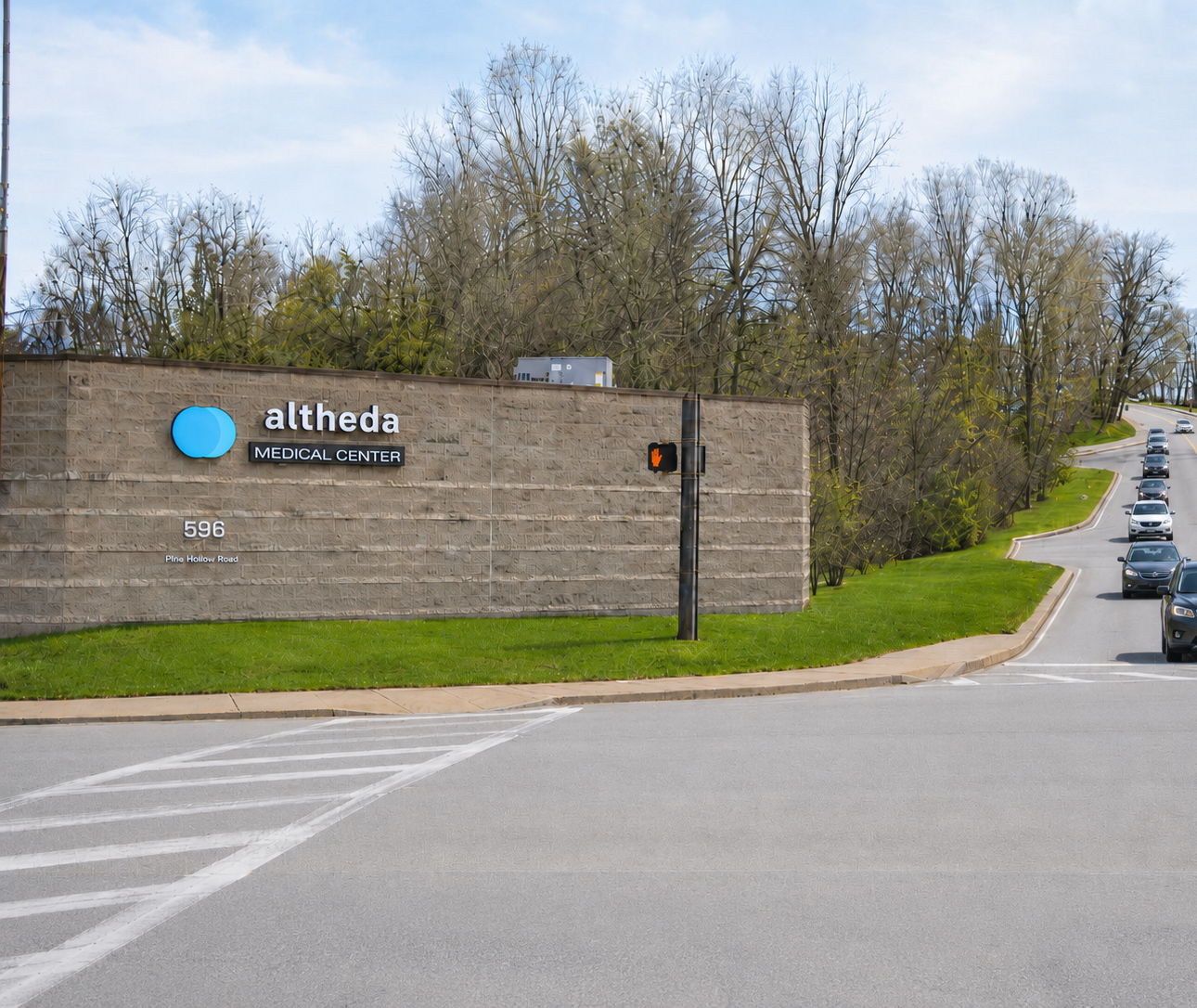
Altheda provides back pain and muscle strain visits for patients in Pittsburgh and nearby communities, including Kennedy Township, McKees Rocks, Robinson, Moon, Coraopolis, Crafton, Carnegie, and surrounding areas.
Schedule Your Back Pain & Muscle Strain Visit Today
Quick, comfortable visits with experienced clinicians at Altheda Medical Center