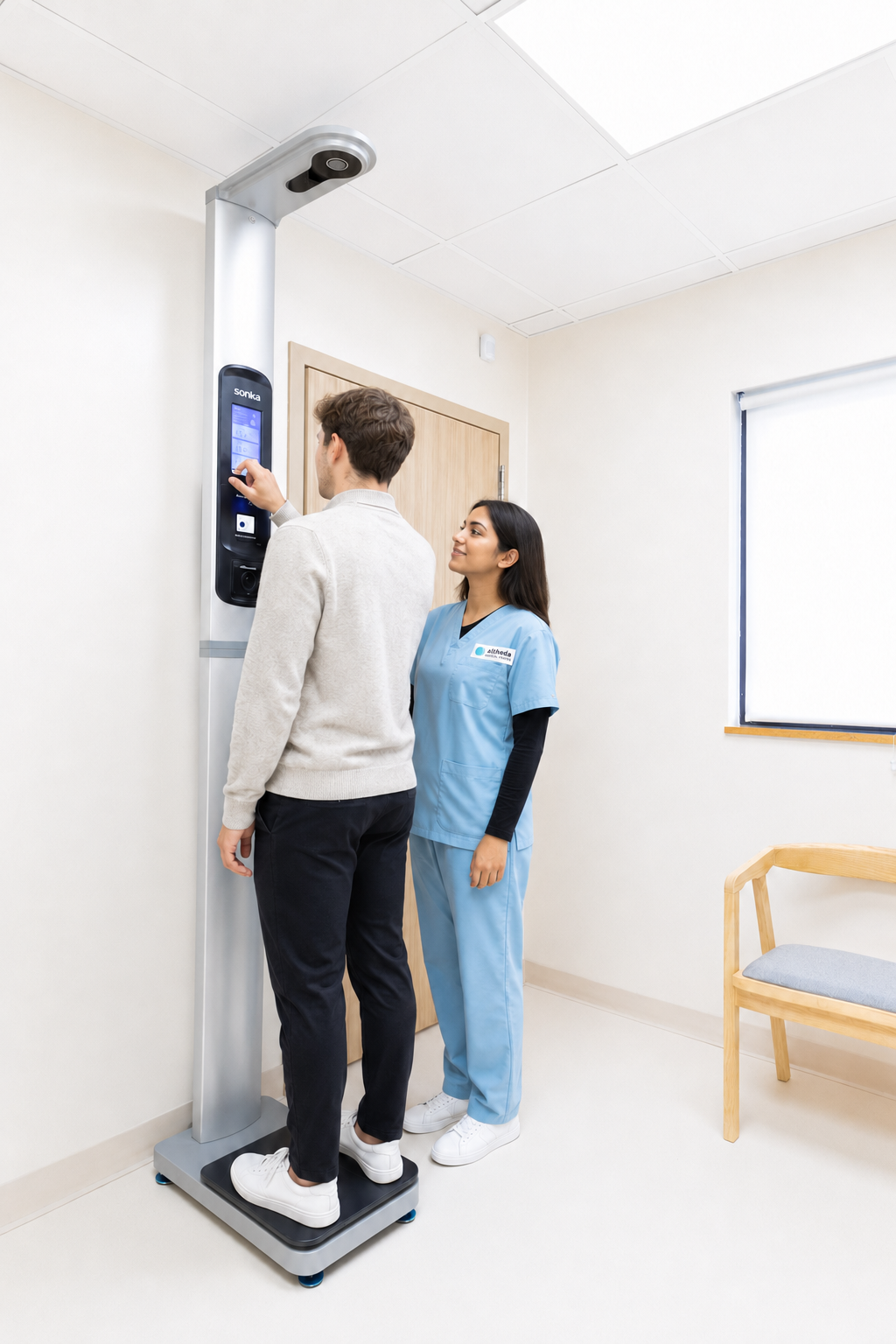














Fatigue Evaluation & Low Energy Evaluation in Pittsburgh
Feeling tired all the time can be frustrating, especially when rest does not seem to help. Altheda Medical Center helps patients review fatigue, low energy, brain fog, sleep, stress, medications, labs, thyroid health, anemia risk, blood sugar, and other possible contributors.
Get seen right away!
Most insurance accepted
New patients welcome
When Should You Schedule a Fatigue Visit?
A fatigue evaluation may be helpful when tiredness is ongoing, unexplained, affecting your daily life, or not improving with rest.
- Persistent low energy
- Brain fog
- Weakness
- Unrefreshing sleep
- Weight changes
- Mood changes
- Dizziness or headaches
- Recent illness
Ongoing Low Energy
Persistent fatigue that affects work, school, exercise, stamina, or daily activities may deserve a clearer review.
Lab Review
Helpful if you are concerned about anemia, thyroid disease, diabetes, vitamin deficiency, or medication-related tiredness.
Sleep Concerns
Unrefreshing sleep, reduced stamina, brain fog, trouble concentrating, or fatigue after recent illness can be reviewed.
Thyroid or Anemia Concerns
Fatigue with cold intolerance, constipation, dry skin, weight changes, mood changes, dizziness, headaches, or shortness of breath may need follow-up.
What Is a Fatigue Evaluation? What Is a Fatigue Evaluation?
A fatigue evaluation is a primary care visit focused on understanding why you feel unusually tired, low-energy, weak, foggy, or not like yourself. Fatigue can be related to sleep, stress, anemia, thyroid disease, blood sugar changes, medications, mood, recent illness, vitamin levels, hormone changes, or other health concerns. Your provider helps review the pattern and decide what testing or follow-up may be appropriate. A fatigue evaluation helps review why you feel unusually tired, weak, foggy, or not like yourself. Your provider looks for patterns and decides what testing or follow-up may help.
Why It Matters
Fatigue is often easy to dismiss, but ongoing low energy can affect work, mood, exercise, sleep, and daily life. A structured review can help identify common contributors and decide what needs testing, monitoring, treatment planning, or referral. Fatigue can affect work, mood, sleep, exercise, and daily life. A structured review can help organize testing, treatment planning, follow-up, or referral.
What’s Included in a Fatigue Evaluation?
Symptom & History Review
Sleep & Lifestyle Review
Medication Review
Lab Planning
Related Symptom Review
Follow-Up Plan
Services may vary based on individual needs, insurance acceptance and coverage may vary.
What to Expect During Your Visit
-
1
Symptom & History Review
-
2
Labs & Health Review
-
3
Plan & Monitoring
Fatigue Deserves a Clear Review
Fatigue can overlap with many health concerns. Altheda helps patients review common causes and decide which next step makes sense.
Review
Turn ongoing tiredness into a focused symptom review.
Labs, sleep quality, stress, medications, and related symptoms can be reviewed together so follow-up feels more organized.
Review Possible Medical Causes
Fatigue can be connected to anemia, thyroid disease, blood sugar changes, infection recovery, kidney/liver concerns, inflammation, or other medical issues.
Look at Sleep and Stress
Sleep quality, insomnia, possible sleep apnea symptoms, stress, burnout, and daily schedule can all affect energy.
Review Medications and Supplements
Some medications, supplements, alcohol use, or substance use can contribute to tiredness or drowsiness.
Plan Follow-Up
If initial labs are normal, your provider can still help monitor symptoms and decide whether additional evaluation is needed.
Testing / Care Options
Fatigue Testing and Care Options May Include
Depending on your symptoms and evaluation, your provider may discuss what labs may be checked for fatigue, fatigue blood work, lifestyle factors, medication review, or follow-up planning.
Your provider may discuss fatigue blood work, lifestyle factors, medication review, or follow-up planning.
A complete blood count or anemia screening may be discussed when appropriate.
Thyroid labs may be considered when symptoms or history suggest they may be relevant.
Blood sugar or A1C testing may be reviewed when appropriate.
Vitamin or nutrient testing may be discussed based on diet, symptoms, and history.
Kidney and liver function testing may be considered as part of a broader review.
Your provider may review prescriptions, over-the-counter medications, and supplements.
Sleep quality, stress, and behavioral health screening may be discussed when appropriate.
Lifestyle guidance, repeat labs, follow-up visits, or referral guidance may be recommended if needed.
Your provider can review symptoms, labs, and health history to help determine the right next step.
Why Choose Altheda for Fatigue Evaluation?
- Whole-Person Review We look beyond one symptom and review sleep, stress, medications, labs, medical history, and related concerns.
- Clear Lab Guidance Your provider can explain which labs may be useful and what results may suggest.
- Connected Primary Care Fatigue can connect with thyroid, diabetes, anemia, mental health, sleep, and weight concerns.
- Practical Next Steps Your visit focuses on a realistic plan: testing, lifestyle guidance, follow-up, referral, or treatment when appropriate. Schedule Fatigue Visit

What do patients say about Altheda?
Fatigue Evaluation FAQs
Helpful answers about low energy, brain fog, thyroid testing, anemia testing, diabetes screening, fatigue blood work, sleep, medications, and when ongoing tiredness should be reviewed.
Fatigue Evaluation Basics
6 questions - low energy, brain fog, visit purpose, and what to expect.
What is a fatigue evaluation?
A fatigue evaluation is a primary care visit focused on understanding ongoing tiredness, low energy, weakness, brain fog, or feeling worn down. Your provider reviews symptoms, health history, sleep, stress, medications, and possible medical contributors before deciding what testing or follow-up may be appropriate.
Can Altheda evaluate fatigue and low energy?
Yes. Altheda can evaluate fatigue, low energy, brain fog, weakness, poor stamina, sleep-related tiredness, and symptoms that may be related to thyroid, anemia, diabetes, vitamin levels, medication effects, mood, recent illness, or other primary care concerns.
Is fatigue always caused by hormones or thyroid problems?
No. Hormone and thyroid concerns can contribute to fatigue, but fatigue can also be related to sleep, stress, anemia, diabetes, infection recovery, medications, mood, chronic pain, nutrition, heart or lung concerns, or other medical issues.
What symptoms can be reviewed during a fatigue visit?
Your provider can review low energy, brain fog, weakness, dizziness, sleep problems, weight changes, cold intolerance, heat intolerance, mood changes, shortness of breath, headaches, menstrual changes when relevant, appetite changes, thirst, frequent urination, and recent illness.
What happens during a fatigue evaluation?
Your provider may ask when fatigue started, whether it is constant or comes and goes, what makes it better or worse, how sleep has been, what medications or supplements you take, whether symptoms changed after illness, and whether labs or follow-up may be needed.
Can one visit find the exact cause of fatigue?
Not always. Fatigue can have more than one contributor. One visit can help organize the most likely possibilities and decide on next steps, but lab results, symptom tracking, medication changes, follow-up visits, or referrals may be needed.
Symptoms & When to Schedule
6 questions - ongoing tiredness, weakness, dizziness, brain fog, and daily function.
When should I schedule a visit for fatigue?
Consider scheduling if fatigue is ongoing, unexplained, worsening, affecting work or daily activities, not improving with rest, or associated with symptoms such as weakness, dizziness, shortness of breath, weight changes, fever, night sweats, mood changes, or sleep problems.
Should brain fog be evaluated with fatigue?
Yes. Brain fog can happen with poor sleep, stress, thyroid disease, anemia, vitamin deficiencies, medication effects, mood concerns, blood sugar changes, recent illness, or other causes. Your provider can review the pattern and decide what testing may be appropriate.
What if I feel weak instead of just tired?
Weakness should be reviewed, especially if it is new, worsening, one-sided, associated with dizziness, shortness of breath, chest pain, trouble walking, numbness, or fainting. Some weakness symptoms may need urgent evaluation rather than a routine visit.
Can fatigue with dizziness be checked?
Yes. Fatigue with dizziness may be related to anemia, dehydration, blood pressure changes, blood sugar changes, medication effects, infection, inner ear issues, or other concerns. Your provider can decide whether vital signs, labs, or follow-up are needed.
Can fatigue after an illness be evaluated?
Yes. Fatigue can linger after viral illness, COVID-19, other infections, poor sleep, reduced activity, or appetite changes. A visit can help review whether symptoms are improving as expected or whether testing or follow-up should be considered.
What if fatigue is affecting work, exercise, or daily life?
If fatigue limits work, exercise, school, caregiving, concentration, mood, or daily function, it is reasonable to schedule a visit. A structured review can help identify common contributors and decide on practical next steps.
Endocrine, Hormone & Thyroid Factors
6 questions - thyroid testing, diabetes screening, hormones, weight changes, and menstrual clues.
Can thyroid problems cause fatigue?
Yes. Thyroid problems can contribute to fatigue, low energy, weight changes, temperature intolerance, constipation, dry skin, hair changes, mood changes, and other symptoms. Your provider may recommend thyroid testing such as TSH when clinically appropriate.
Can this visit include thyroid testing?
Thyroid testing may be recommended based on your symptoms, medical history, medications, pregnancy status when relevant, prior thyroid results, and exam findings. Testing decisions are individualized rather than automatic for every fatigue visit.
Can blood sugar problems cause fatigue?
Yes. Blood sugar changes and diabetes can be associated with fatigue, increased thirst, frequent urination, blurry vision, weight changes, recurrent infections, or slow healing. Your provider may consider glucose or A1c testing when appropriate.
Can hormone changes contribute to fatigue?
Hormone-related factors may contribute to fatigue in some patients, including thyroid changes, menstrual changes, perimenopause or menopause symptoms, pregnancy-related concerns, testosterone concerns in men, or adrenal-related concerns. Testing depends on symptoms and clinical context.
Can fatigue with weight gain be evaluated?
Yes. Fatigue with weight gain can be related to thyroid disease, sleep changes, activity changes, stress, medications, mood concerns, insulin resistance, fluid retention, or other causes. Your provider can review the pattern and decide what testing makes sense.
Can fatigue with weight loss be evaluated?
Yes. Unintentional weight loss with fatigue should be reviewed. Possible contributors can include thyroid changes, diabetes, infection, digestive problems, medication effects, mood changes, inflammation, or other medical concerns that may need testing or referral.
Labs, Medication & Lifestyle Review
7 questions - fatigue blood work, anemia testing, vitamin levels, sleep, stress, and medications.
What fatigue blood work may be recommended?
Depending on your symptoms, your provider may discuss blood work such as a blood count for anemia, thyroid testing, blood sugar or A1c, metabolic panel, kidney or liver markers, iron studies, vitamin B12, vitamin D, inflammatory markers, or other tests when clinically appropriate.
Can Altheda check for anemia as part of fatigue testing?
Yes. Anemia testing may be considered if you have fatigue, weakness, dizziness, shortness of breath, heavy menstrual bleeding when relevant, pale skin, low iron history, dietary risk, or other symptoms that suggest low blood count or iron deficiency.
Can vitamin levels be checked for fatigue?
Vitamin testing may be considered when symptoms, diet, medical history, medications, prior lab results, or risk factors suggest a deficiency. Common discussions may include vitamin B12, vitamin D, iron, or folate, depending on the situation.
Can medications or supplements cause fatigue?
Yes. Some medications, supplements, alcohol, sleep aids, antihistamines, blood pressure medications, mood medications, pain medications, and medication interactions can contribute to fatigue or drowsiness. Bring a current medication and supplement list to the visit.
Can sleep problems cause fatigue?
Yes. Poor sleep, insomnia, shift work, sleep apnea, frequent nighttime waking, pain, stress, alcohol use, and irregular sleep schedules can all contribute to fatigue. Your provider can review sleep patterns and whether sleep-related follow-up is needed.
Can stress, anxiety, or depression cause fatigue?
Yes. Stress, anxiety, grief, burnout, and depression can affect energy, sleep, appetite, concentration, and motivation. Your provider can review mood symptoms alongside medical causes so the plan is not limited to one possible explanation.
Should I bring prior lab results to a fatigue visit?
Yes. Prior thyroid labs, blood counts, iron studies, A1c or glucose results, vitamin levels, medication lists, sleep study results, specialist notes, and recent urgent care or hospital records can help your provider understand the full picture.
Remote vs In-Person Care & Visit Scope
5 questions - telehealth fit, in-person exams, labs, follow-up, and visit limits.
Can a fatigue evaluation be done remotely?
Some fatigue evaluations may start remotely when clinically appropriate, especially for symptom review, medication review, lab planning, and follow-up discussion. In-person care may be recommended for vital signs, exam findings, blood work, or concerning symptoms.
When is an in-person fatigue visit better?
An in-person visit may be better if you have dizziness, weakness, shortness of breath, abnormal heart rate, swelling, weight changes, fever, night sweats, significant pain, neurologic symptoms, or if a physical exam and vital signs are important.
Will I need follow-up after fatigue labs?
Often, follow-up is helpful after labs so your provider can review results in context, discuss what they do or do not explain, plan treatment when appropriate, and decide whether monitoring, repeat labs, or referral is needed.
Can one visit cover fatigue plus other endocrine concerns?
The visit should focus on the most important fatigue or endocrine-related concern first. Other concerns may need a separate visit depending on complexity, safety, testing needs, clinical priorities, and available appointment time.
Can Altheda refer me to a specialist if needed?
Yes. If symptoms or lab results suggest a more complex endocrine, hematology, sleep, cardiology, mental health, or other specialty concern, Altheda can discuss referral options or next steps when clinically appropriate.
Warning Signs & Pittsburgh-Area Care
6 questions - urgent symptoms, scheduling, new patients, and local access.
When does fatigue need urgent or emergency care?
Seek urgent or emergency care for fatigue with chest pain, trouble breathing, fainting, confusion, stroke-like symptoms, severe weakness, severe dehydration, little or no urine output, suicidal thoughts, or symptoms that are rapidly worsening.
What fatigue symptoms should be checked promptly?
Fatigue should be checked promptly if it comes with unexplained weight loss, fever, night sweats, new swelling, dizziness, shortness of breath, blood in stool or urine, very heavy bleeding, severe headache, new weakness, or symptoms after a major illness or injury.
How do I schedule a fatigue evaluation?
Patients can schedule online or contact Altheda for current availability. New patients may schedule as a new patient, and returning patients may schedule as a follow-up or established patient when available.
Can new patients schedule a fatigue evaluation?
Yes. New patients can schedule a visit to review fatigue, low energy, brain fog, possible thyroid concerns, anemia testing needs, diabetes screening questions, medication review, and next-step planning.
Where can I get a fatigue evaluation near Pittsburgh?
Altheda provides fatigue evaluation visits for patients in Pittsburgh and nearby communities, including Kennedy Township, McKees Rocks, Robinson, Moon, Coraopolis, Crafton, Carnegie, and surrounding areas.
Can Altheda help with fatigue related to thyroid, diabetes, or anemia concerns?
Yes. Altheda can review symptoms that may suggest thyroid disease, diabetes or blood sugar changes, anemia, vitamin deficiencies, medication effects, sleep problems, or other primary care concerns and decide what testing or follow-up may be appropriate.
Schedule Your Fatigue Evaluation Today
Stay ahead of your health with comprehensive testings from experienced clinicians at Altheda