









Heart Health Risk Assessment in Pittsburgh

Heart disease risk can build quietly over time. Altheda Medical Center helps patients review blood pressure, cholesterol, blood sugar, weight, lifestyle, family history, medications, and other risk factors so they can understand their heart health and plan next steps.

Get seen right away!

Most insurance accepted

New patients welcome

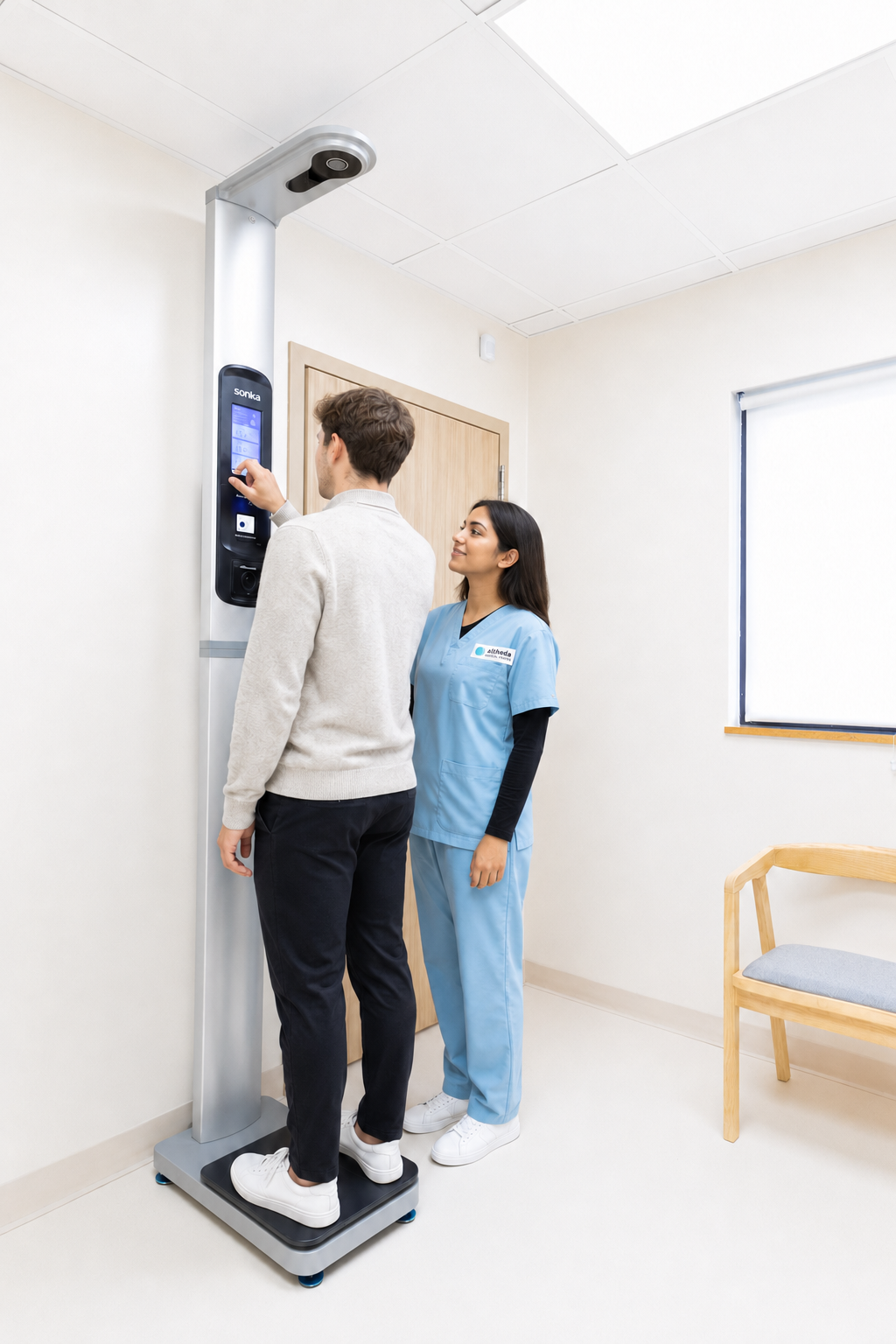
Provider reviewing heart health risk factors with a patient at Altheda Medical Center near Pittsburgh.
Geisinger
Highmark
Capital
United Healthcare
Aetna
Cigna
Medicare.gov
Humana
UPMC Health Plans
UMR
BlueCross BlueShield

Heart Risk Assesment doctors Near Pittsburgh, PA

Conveniently located in Kennedy Township, Altheda welcomes patients from Pittsburgh, Coraopolis, Robinson Township, Moon, Green Tree, Crafton, Sewickley, and surrounding communities.

Our Facility

Explore Altheda’s modern, welcoming clinic spaces designed to make every visit feel comfortable, calm, and patient-centered.

When Should You Schedule a Heart Risk Visit?

A heart health risk assessment may be helpful if you have abnormal numbers, a family history of heart disease, or questions about prevention before symptoms appear.

  • High blood pressure
  • High cholesterol
  • High triglycerides
  • Prediabetes
  • Diabetes
  • Abnormal labs
  • 10-year risk
  • Family history
  • Smoking or vaping
  • Weight concerns
  • Low activity
  • Stress or sleep concerns
  • Medication questions
  • Prevention goals

You do not need to wait until symptoms show up.

Blood pressure and cholesterol heart risk review illustration

Abnormal Numbers

High blood pressure, cholesterol, triglycerides, A1C, diabetes labs, or annual physical results can be reviewed.

Risk Factors

Helpful if family history, smoking or vaping history, weight concerns, or multiple risks are part of your history.

Family history heart risk review illustration
Diabetes and blood sugar heart risk illustration

Lifestyle Concerns

Discuss activity, stress, sleep, nutrition, exercise, weight, and realistic prevention goals.

Younger adult prevention and heart risk follow-up illustration

Follow-Up Questions

Review medication questions, past heart testing, blood pressure or cholesterol follow-up, and prevention monitoring.

Heart Health Prevention

Heart risk is not just one number

Heart health risk is shaped by several connected factors. Blood pressure, cholesterol, blood sugar, diabetes, smoking, weight, family history, sleep, activity level, diet, stress, and age can all play a role. A heart health risk assessment helps organize these details so your provider can explain what matters most and what steps may help lower risk. Heart risk is shaped by connected factors like blood pressure, cholesterol, blood sugar, smoking, weight, family history, sleep, activity, diet, stress, and age. A risk assessment helps organize what matters most.

This visit does not replace emergency care or specialty cardiology care when needed. It is designed for prevention, early risk review, lab discussion, and primary care follow-up. This visit does not replace emergency or specialty cardiology care. It is designed for prevention, risk review, lab discussion, and primary care follow-up.

Altheda provider reviewing heart health risk factors with a patient

What’s Included in a Heart Health Risk Assessment?

Services may vary based on individual needs, insurance acceptance and coverage may vary.

What to Expect During Your Visit

  1. Review of blood pressure, cholesterol, blood sugar, weight, and history for a heart health risk assessment

    Review Your Numbers and History

  2. Provider connecting heart health risk factors and discussing next steps

    Connect the Risk Factors

  3. Prevention plan for long-term heart health

    Build a Prevention Plan

Heart health prevention

Heart Health Numbers Worth Reviewing

Understanding your numbers can make heart prevention more practical. Your provider may review current results, prior trends, and whether follow-up testing is recommended.

Heart Risk Dashboard Number Review
Blood Pressure Heart and blood vessel strain
Track
LDL Cholesterol Plaque buildup risk
Review
HDL Cholesterol Protective cholesterol context
Context
Triglycerides Metabolic and diet-related risk
Trend
A1C / Blood Sugar Diabetes and metabolic risk
Check
Weight + Waist Changes that affect heart risk
Monitor

Heart prevention is easier when your numbers are reviewed together.

Blood pressure, cholesterol, blood sugar, triglycerides, and weight trends can help guide follow-up testing and prevention planning.

Blood Pressure

High blood pressure often has no symptoms, but it can increase strain on the heart and blood vessels over time.

LDL Cholesterol

LDL is often called “bad” cholesterol because higher levels can contribute to plaque buildup in arteries.

HDL Cholesterol

HDL is often called “good” cholesterol because higher levels may provide some protection.

Triglycerides

High triglycerides may be related to metabolic health, diet, diabetes risk, alcohol use, weight, or other factors.

A1C / Blood Sugar

Blood sugar and A1C can help identify diabetes, prediabetes, and metabolic risk.

Weight and Waist Trends

Weight changes can affect blood pressure, cholesterol, blood sugar, sleep, and overall heart risk.

Heart health prevention

Heart Health Risk Assessment Options May Include

Depending on your history, symptoms, labs, and evaluation, your provider may discuss testing, lifestyle factors, medication review, follow-up timing, or referral guidance when needed.

Clear, prevention-focused guidance

Your visit is built around your risk factors, labs, history, and goals.

Your provider can review your risk factors and discuss prevention-focused next steps based on your history, labs, and goals.

Blood pressure measurement and tracking

Cholesterol or lipid panel review

A1C or blood sugar testing when appropriate

Weight and metabolic health review

Medication review

Smoking or vaping cessation discussion

Nutrition and physical activity guidance

Sleep and stress discussion

10-year cardiovascular risk estimate when appropriate

Statin or blood pressure medication discussion when clinically appropriate

Follow-up lab timing

Referral guidance if cardiology care or additional testing may be needed

Risk Estimate Discussion

Can Altheda Help Me Understand My 10-Year Heart Risk?

For some adults, a provider may estimate future cardiovascular risk using age, cholesterol, blood pressure, diabetes status, smoking status, and other health details. That estimate can help guide prevention conversations about lifestyle, lab follow-up, blood pressure, cholesterol treatment, or referral when appropriate.

For some adults, a provider may review 10-year heart risk using cholesterol, blood pressure, diabetes status, smoking status, age, and health history.

Cholesterol Blood pressure Diabetes status Smoking status Age and history
i
A risk estimate is one tool, not the whole story.

Your provider may also consider family history, symptoms, medical history, medication tolerance, preferences, and whether additional evaluation is needed.

Prevention Planning

Small changes can support long-term heart health

Heart risk is not only about medications or lab numbers. Your provider can help review realistic steps related to daily habits, follow-up monitoring, and prevention goals.

BP

Blood Pressure Habits

Review sodium, activity, stress, sleep, weight, home readings, and medication adherence when relevant.

LDL

Cholesterol Habits

Discuss diet patterns, activity, weight, family history, and medication options when appropriate.

A1C

Blood Sugar Habits

Review A1C, glucose trends, weight, nutrition, movement, and diabetes or prediabetes prevention.

TV

Tobacco and Vaping

If you smoke or vape, your provider can discuss quitting strategies and support options.

Zz

Sleep and Stress

Poor sleep and chronic stress can affect blood pressure, energy, weight, and daily routines.

Follow-Up Plan

A practical plan may include repeat labs, home monitoring, medication review, or follow-up visits.

Prevention planning should feel specific, not generic.

Your visit can help connect your numbers, habits, history, and goals into prevention-focused next steps.

Our Facility

Explore Altheda’s modern, welcoming clinic spaces designed to make every visit feel comfortable, calm, and patient-centered.

Why Choose Altheda for Heart Health Risk Assessment?

Altheda provider reviewing heart health risk factors with a patient in Pittsburgh
  • Whole-Person Risk Review We look at blood pressure, cholesterol, blood sugar, weight, lifestyle, family history, medications, and related health concerns.
  • Clear Lab Guidance Your provider can explain what your numbers may mean and whether repeat testing or follow-up is recommended.
  • Prevention-Focused Care The visit is designed to help you understand risk earlier and take practical steps before problems become more serious.
  • Connected Primary Care Heart risk often overlaps with diabetes, prediabetes, weight management, thyroid health, kidney health, sleep, and medication review.

Schedule Heart Risk Visit

What do patients say about Altheda?

Common Questions

Heart Health Risk Assessment FAQs

Helpful answers about blood pressure, cholesterol, blood sugar, family history, lifestyle risk factors, prevention planning, follow-up care, and when heart-related symptoms need urgent attention.

Heart Risk Assessment Basics

5 questions - visit purpose, who should schedule, scope, and what to expect.

What is a heart health risk assessment?

A heart health risk assessment is a primary care visit focused on reviewing risk factors that may affect long-term heart and blood vessel health, including blood pressure, cholesterol, blood sugar, weight, medications, family history, smoking history, lifestyle habits, and prior lab results.

Who should consider scheduling a heart risk visit?

Consider scheduling if you have high blood pressure, abnormal cholesterol, prediabetes, diabetes, weight or metabolic concerns, a family history of heart disease, smoking or vaping history, abnormal labs, or questions about prevention before symptoms appear.

Is this visit only for people with heart symptoms?

No. This visit is often preventive. It can help patients understand risk factors and next steps before symptoms develop. Patients with chest pain, severe shortness of breath, fainting, or stroke-like symptoms should seek urgent or emergency care instead.

Can one visit fully assess every heart concern?

One appointment may not cover every requested concern. What can be addressed depends on your history, symptoms, lab results, safety concerns, testing needs, clinical priorities, and available appointment time. Additional testing, follow-up, or referral may be recommended.

What happens during a heart health risk assessment?

Your provider may review blood pressure, cholesterol, blood sugar or A1C, weight trend, medications, family history, smoking or vaping history, activity level, nutrition, sleep, stress, prior labs, and whether additional testing or follow-up may be appropriate.

Blood Pressure, Cholesterol & Blood Sugar

6 questions - key numbers, lab review, A1C, triglycerides, and monitoring.

Why is blood pressure part of a heart risk assessment?

Blood pressure is one of the major numbers used to understand heart and stroke risk. Your provider can review office readings, home readings if available, medications, lifestyle factors, and whether follow-up monitoring is needed.

Why is cholesterol reviewed during this visit?

Cholesterol results help assess plaque-related risk and long-term cardiovascular risk. Your provider may review LDL cholesterol, HDL cholesterol, triglycerides, total cholesterol, prior results, family history, and whether lifestyle changes or medication discussion may be appropriate.

Why does blood sugar matter for heart health?

Prediabetes, diabetes, and insulin resistance concerns can overlap with heart risk. Your provider may review A1C, fasting glucose, weight trends, family history, medications, and whether blood sugar follow-up should be part of your prevention plan.

What labs may be discussed during a heart risk visit?

Depending on your history and prior results, your provider may discuss cholesterol testing, A1C or glucose testing, kidney and liver function, thyroid testing, blood count, or other labs when clinically appropriate.

Can Altheda review lab results from another clinic?

Yes. You can bring or upload outside lab results. Your provider can review what was tested, when the labs were drawn, how results have changed over time, and whether repeat or additional testing may be appropriate.

Should I bring home blood pressure readings?

Yes, if you have them. Home readings can help show patterns outside the clinic. Bring the dates, times, readings, and whether you were resting before checking. Your provider can help interpret the trend.

Risk Factors & Prevention Planning

6 questions - family history, weight, smoking, exercise, sleep, and prevention goals.

Does family history affect heart risk?

Yes. A family history of heart attack, stroke, high blood pressure, high cholesterol, or early heart disease can affect risk. Your provider may ask which relatives were affected and at what age.

Does weight or metabolic health affect heart risk?

Weight, blood pressure, cholesterol, triglycerides, blood sugar, sleep, medications, and activity level can overlap with heart risk. Your provider can help connect these factors and discuss realistic next steps.

Why does smoking or vaping history matter?

Smoking and nicotine exposure can increase cardiovascular risk and affect blood pressure, blood vessels, and overall heart health. A visit can include smoking or vaping history, readiness to quit, and support options when appropriate.

Can stress and sleep affect heart health?

Stress, sleep quality, sleep duration, possible sleep apnea, and fatigue can affect blood pressure, weight, energy, and overall risk. Your provider may ask about sleep patterns, snoring, daytime sleepiness, stress level, and recovery habits.

Can nutrition and exercise be part of the plan?

Yes. Your provider may discuss nutrition, activity level, weight goals, sodium intake, smoking cessation, sleep, stress, and practical lifestyle changes that fit your health history and risk profile.

Can this visit help me understand my 10-year heart risk?

Your provider may review risk factors used in common cardiovascular risk discussions, such as age, blood pressure, cholesterol, diabetes status, smoking history, and medication use. Risk estimates are only one part of the overall prevention plan.

Testing, Medication & Follow-Up

6 questions - ECG, stress testing, medications, referrals, and repeat monitoring.

Will I need an ECG or heart testing?

Not everyone needs heart testing during a preventive risk visit. Your provider may discuss an ECG, labs, imaging referral, stress testing referral, or cardiology referral if symptoms, risk level, exam findings, or history suggest it may be appropriate.

Can Altheda order a stress test?

If stress testing appears clinically appropriate, your provider can discuss referral or next steps. Chest pain, severe shortness of breath, fainting, or symptoms concerning for a heart attack should be handled urgently rather than through routine outpatient scheduling.

Can Altheda prescribe blood pressure or cholesterol medication?

Medication may be discussed or prescribed when clinically appropriate. Decisions depend on your readings, lab results, risk factors, medical history, current medications, side effects, pregnancy status when relevant, and follow-up needs.

What if I already take heart-related medication?

Your provider can review current medications, doses, side effects, adherence, refill needs, lab monitoring, and whether your plan needs follow-up. Do not stop prescribed heart or blood pressure medication without medical guidance.

How often should heart risk numbers be rechecked?

Follow-up timing depends on your blood pressure, cholesterol, A1C or glucose results, medications, risk factors, age, symptoms, and whether results are changing. Your provider can recommend a practical monitoring timeline.

When would I need a cardiology referral?

A cardiology referral may be recommended for concerning symptoms, abnormal testing, complex risk factors, known heart disease, difficult-to-control blood pressure or cholesterol, or when specialist evaluation is needed for a safer plan.

Related Primary Care Support

5 questions - annual physical, weight, diabetes risk, thyroid, and behavioral health overlap.

Is this different from an annual physical?

Yes. An annual physical is a broader preventive visit, while a heart health risk assessment focuses more specifically on cardiovascular risk factors, lab trends, prevention planning, and follow-up around heart health numbers.

Can this visit connect with weight management?

Yes. Weight management may be part of heart risk prevention when weight, blood pressure, cholesterol, blood sugar, sleep, medications, or metabolic health are part of the overall picture. A dedicated weight management visit may be recommended for deeper support.

Can this visit connect with diabetes or insulin resistance care?

Yes. Blood sugar, A1C, insulin resistance, prediabetes, and diabetes risk can overlap with heart health. Your provider can discuss whether diabetes management, insulin resistance follow-up, or repeat lab monitoring is appropriate.

Can thyroid concerns affect heart risk?

Thyroid function can affect heart rate, energy, weight, cholesterol, and other symptoms for some patients. Your provider may discuss thyroid testing or thyroid management follow-up if your history or symptoms suggest it may be relevant.

Can stress, anxiety, or mood concerns be discussed?

Yes. Stress, anxiety, depression, sleep, and lifestyle patterns can affect heart health and overall wellness. Your provider can review these factors and discuss behavioral health support or follow-up when appropriate.

Warning Signs, Scheduling & Local Care

6 questions - emergency symptoms, remote visits, preparation, scheduling, and Pittsburgh-area access.

When should I seek emergency care instead of scheduling a heart risk visit?

Seek emergency care for chest pain or pressure, shortness of breath, pain spreading to the arm, back, neck, jaw, or stomach, fainting, cold sweat, nausea with concerning chest symptoms, sudden weakness or numbness, trouble speaking, facial drooping, or sudden vision or balance problems.

Can a heart risk assessment be done remotely?

Some visits may start remotely when clinically appropriate, especially for reviewing lab results, medications, history, and prevention goals. In-person care may be recommended if vital signs, an exam, an ECG, or testing is needed.

When is an in-person heart risk visit better?

An in-person visit may be better when blood pressure, weight, heart or lung exam, medication safety, lab collection planning, ECG discussion, or a more detailed physical assessment is needed.

What should I bring to a heart health risk assessment?

Bring prior labs, a medication and supplement list, home blood pressure readings if available, family history details, smoking or vaping history, blood sugar readings if available, and questions about cholesterol, blood pressure, prevention, or follow-up goals.

How do I schedule a heart health risk assessment?

Patients can schedule online or contact Altheda for current availability. New patients may schedule as a new patient, and returning patients may schedule as a follow-up or established patient when available.

Where can I get a heart health risk assessment near Pittsburgh?

Altheda provides heart health risk assessment visits for patients in Pittsburgh and nearby communities, including Kennedy Township, McKees Rocks, Robinson, Moon, Coraopolis, Crafton, Carnegie, and surrounding areas.

Emergency / Urgent Care Guidance

When Heart Symptoms Need Emergency Care

A heart health risk assessment is for prevention and risk review. It is not for emergency symptoms.

! Chest pain or pressure ! Severe shortness of breath ! Fainting or sudden weakness
! Show symptoms that should be handled as emergency symptoms
! Chest pain, pressure, squeezing, or heaviness
! Pain spreading to the arm, jaw, neck, back, or shoulder
! Severe shortness of breath
! Fainting or near-fainting
! Sudden weakness, numbness, or trouble speaking
! Sudden confusion or severe dizziness
! New severe sweating with chest discomfort
! Heart palpitations with fainting, chest pain, or severe shortness of breath
! Symptoms that feel sudden, severe, or life-threatening
Prevention visit vs emergency care

Altheda can help with heart risk review and prevention planning, but emergency symptoms should be evaluated immediately through emergency care.

Schedule Your Heart Health Risk Assessment Today

Stay ahead of your health with comprehensive testings from experienced clinicians at Altheda 

You cannot copy content of this page

Pricing and Insurance

Insurance

*82% of patients that used accepted insurance to pay for Primary Care Appointments paid $40 or less per appointment.

Self-pay price (per appointment)

  • First appointment $140
  • Follow-up appointments $100

Repeated missed appointments or cancellations with less than 24 hours’ notice may result in restrictions on future scheduling.

Altheda accepts a wide variety of PPO plans. Start booking to verify if your insurance plan is accepted.

Highmark insurance logo for accepted insurance plans at Altheda Medical Center.
Independence Blue Cross insurance logo
Capital Blue Cross insurance logo
Blue Cross Blue Shield insurance logo for accepted insurance plans at Altheda Medical Center.
Anthem Blue Cross Blue Shield insurance logo
UPMC Health Plan insurance logo for accepted insurance plans at Altheda Medical Center.
Medicare logo for accepted insurance plans at Altheda Medical Center.
UMR insurance logo for accepted insurance plans at Altheda Medical Center.
UnitedHealthcare insurance logo for accepted insurance plans at Altheda Medical Center.
Aetna insurance logo for accepted insurance plans at Altheda Medical Center.
Humana insurance logo for accepted insurance plans at Altheda Medical Center.
Cigna insurance logo for accepted insurance plans at Altheda Medical Center.

NEARBY COMMUNITIES

Altheda Medical Center is conveniently located in Kennedy Township, PA and welcomes patients from nearby communities across the Pittsburgh area. 

Communities We Commonly Serve

  • Pittsburgh, PA
  • Kennedy Township, PA  
  • Moon Township, PA
  • Sewickley, PA
  • Robinson Township, PA
  • Coraopolis, PA
  • Neville Township, PA
  • McKees Rocks, PA
  • Carnegie, PA
  • North Fayette Township, PA
  • Green Tree, PA
  • Crafton, PA
  • Bellevue, PA
  • Avalon, PA
  • Ingram, PA
  • Stowe Township, PA
  • Thornburg, PA
  • Rosslyn Farms, PA
  • Washington, PA
  • McDonald, PA

We have one physical clinic location in Kennedy Township, PA. Patients may travel from these surrounding communities for care. 

Need directions? Contact Altheda or use the map on our website to plan your visit.