













Men’s Hormone and Testosterone Evaluation in Pittsburgh

Low energy, reduced libido, erectile changes, mood changes, weight changes, or strength concerns can have many possible causes. Altheda helps men review symptoms, testosterone labs, health history, medications, fertility goals, metabolic health, and next steps.

Get seen right away!

Most insurance accepted

New patients welcome

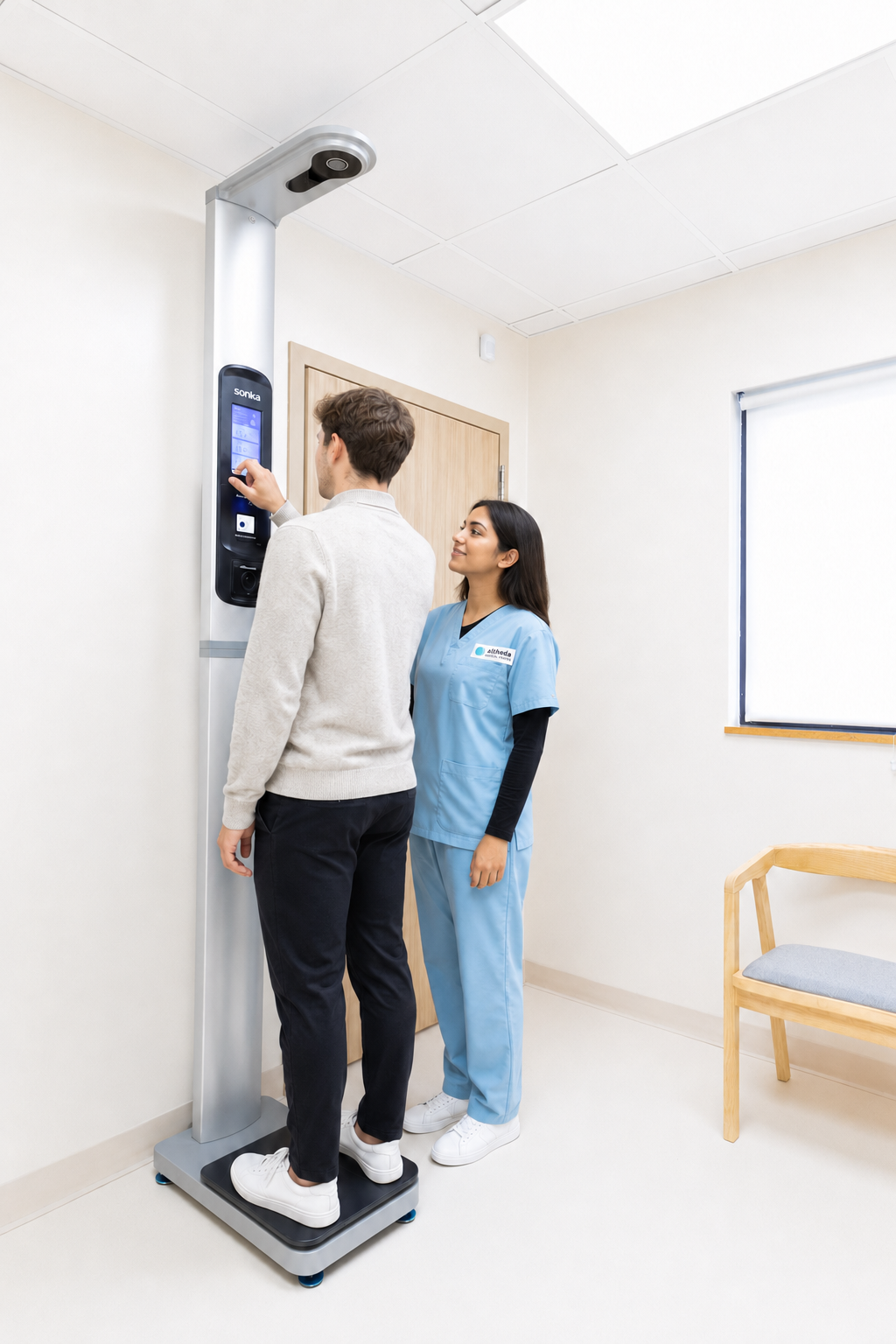
Primary care provider discussing men's hormone and testosterone evaluation with a patient near Pittsburgh.
Geisinger
Highmark
Capital
United Healthcare
Independence
Anthem
Aetna
Cigna
Medicare.gov
Humana
UPMC Health Plans
UMR
BlueCross BlueShield

Men’s Hormone and Testosterone Evaluation and Doctors Near Pittsburgh, PA

Conveniently located in Kennedy Township, Altheda welcomes patients from Pittsburgh, Coraopolis, Robinson Township, Moon, Green Tree, Crafton, Sewickley, and surrounding communities.

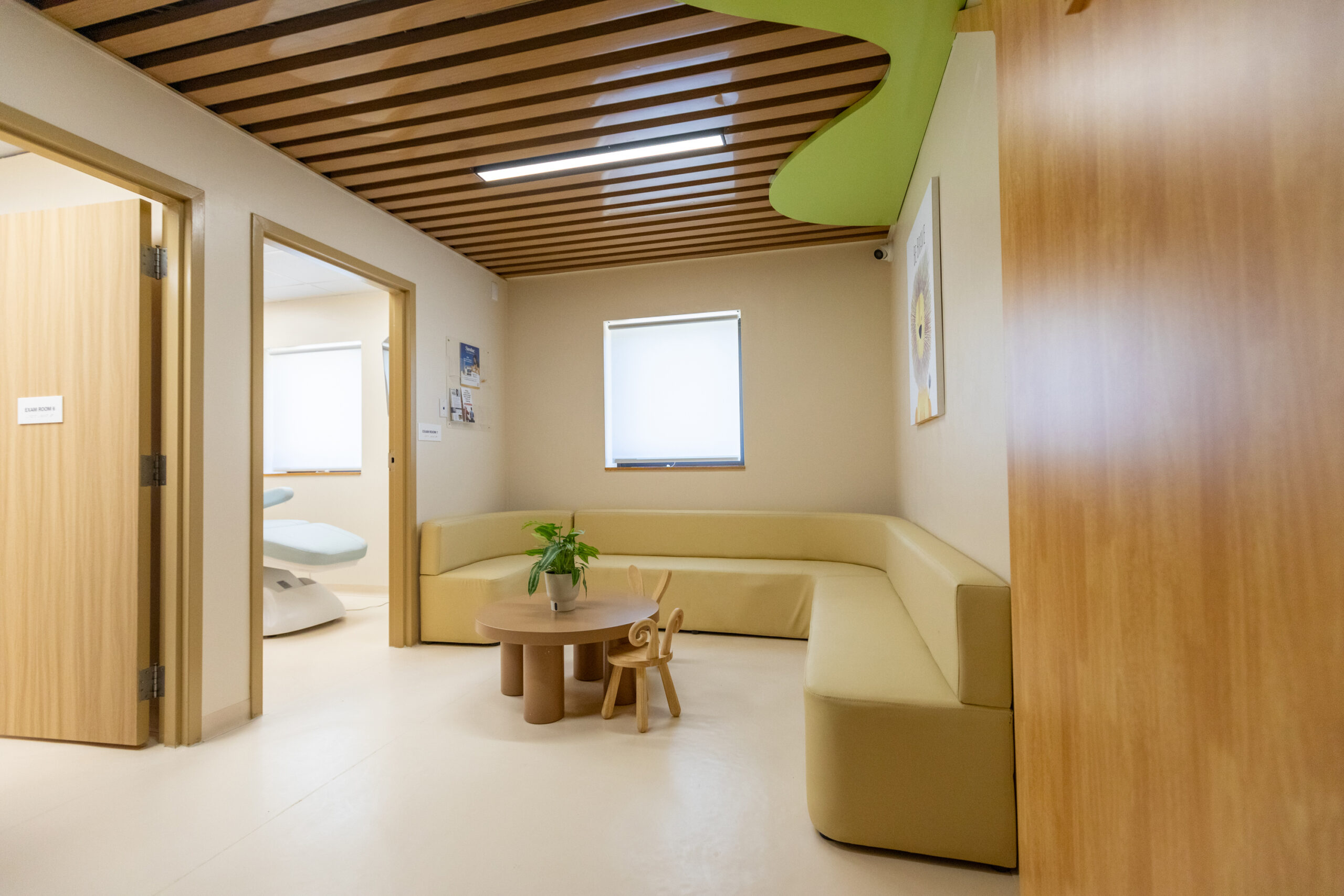
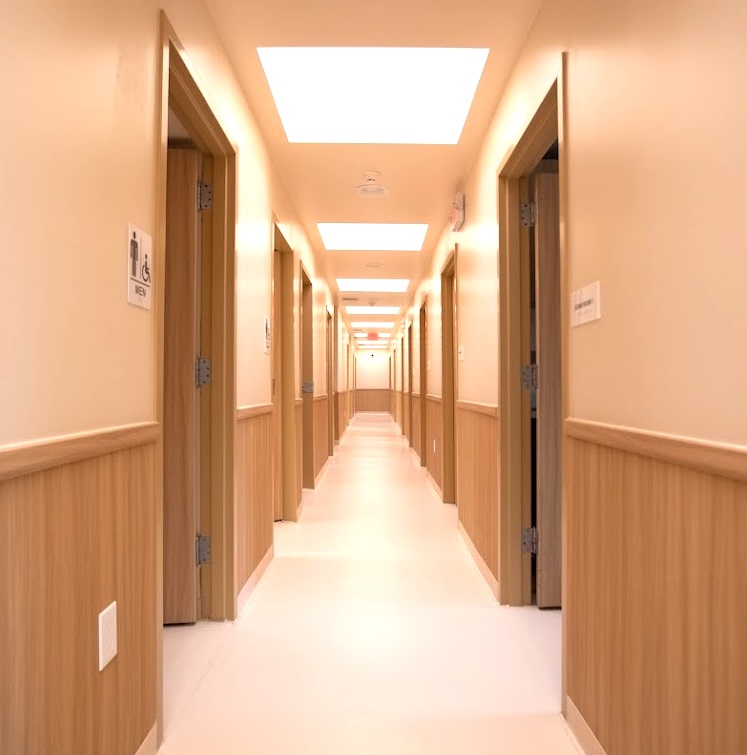
Our Facility

Explore Altheda’s modern, welcoming clinic spaces designed to make every visit feel comfortable, calm, and patient-centered.

When Should You Schedule a Testosterone Evaluation?

A testosterone evaluation may be helpful when symptoms are persistent, affecting quality of life, and you want a careful lab-based review rather than guessing.

  • Low libido
  • Erectile changes
  • Ongoing fatigue
  • Reduced motivation
  • Mood changes
  • Loss of strength
  • Weight gain
  • Low stamina
  • Brain fog
  • Poor sleep
  • Hot flashes
  • Low testosterone labs
  • Treatment review
  • Fertility questions
Seek urgent care for chest pain, severe shortness of breath, fainting, stroke-like symptoms, sudden severe weakness, self-harm thoughts, or sudden severe symptoms.
Older man reviewing hormone symptoms illustration

Low Libido or Erectile Changes

Helpful if changes in libido, erections, stamina, or sexual health are persistent and affecting quality of life.

Fatigue or Motivation Changes

Ongoing fatigue, reduced motivation, mood changes, irritability, or brain fog may deserve a careful review.

Adult man with fatigue or motivation concern illustration
Younger man discussing morning testosterone labs illustration

Morning Labs or Prior Results

Helpful if you have concerns about low testosterone labs, need repeat testing, or want results interpreted in context.

Man reviewing testosterone labs and fertility goals illustration

Fertility or Treatment Questions

Helpful before considering treatment, especially if you have fertility goals, prior testosterone use, or monitoring questions.

Men’s Hormone Review

What Is a Men’s Hormone and Testosterone Evaluation? Men’s Hormone & Testosterone Evaluation

A men’s hormone and testosterone evaluation is a primary care visit focused on symptoms that may be related to testosterone, thyroid health, sleep, weight, stress, medication effects, diabetes, depression, or other health concerns. Your provider can review symptoms, order or interpret labs when appropriate, and discuss next steps based on your health history and goals. A men’s hormone and testosterone evaluation reviews symptoms that may relate to testosterone, thyroid health, sleep, weight, stress, medications, diabetes, mood, or other health concerns.

Why It Matters

Low testosterone should not be diagnosed from symptoms alone. A responsible evaluation reviews symptoms, confirms hormone levels with appropriate testing, and considers other causes before treatment decisions are made. Low testosterone should not be diagnosed from symptoms alone. A responsible evaluation checks symptoms, labs, risk factors, and other possible causes.

Altheda provider reviewing men’s hormone and testosterone symptoms with a male patient
Symptoms matter Symptoms matter
Morning labs may be needed Morning labs may help
Fertility goals should be discussed Discuss fertility goals
Treatment depends on results and risk factors Treatment depends on results

What’s Included in a Men’s Hormone and Testosterone Evaluation?

Services may vary based on individual needs, insurance acceptance and coverage may vary.

What to Expect During Your Visit

  1. Symptom and health history review for a men's hormone and testosterone evaluation

    Symptom & Health History Review

  2. Labs and risk review for a men's hormone and testosterone evaluation

    Labs & Risk Review

  3. Plan and follow-up for a men's hormone and testosterone evaluation

    Plan & Follow-Up

Symptom review

Men’s Hormone Symptoms Deserve a Careful Review

Symptoms often blamed on low testosterone can have several possible causes. Altheda helps men review symptoms, labs, and related health factors before deciding next steps.

Hormone Review Primary Care
Testosterone Labs Timing, repeat testing, and context
Review
Symptoms Energy, libido, mood, and weight
Assess
Health Factors Sleep, stress, thyroid, diabetes, and meds
Discuss

Symptoms alone do not equal a low testosterone diagnosis.

Labs, timing, fertility goals, medications, sleep, mood, and related health factors can be reviewed before treatment decisions.

Review Testosterone Labs Correctly

Timing, repeat testing, and lab context matter when evaluating testosterone levels.

Look Beyond One Symptom

Fatigue, weight gain, low mood, and low libido can have many causes, including sleep, stress, thyroid, diabetes, depression, medications, or relationship factors.

Discuss Fertility Goals

Testosterone therapy may affect sperm production, so fertility plans should be part of the conversation.

Plan Safe Monitoring

If treatment is considered, your provider can discuss monitoring needs, risks, and follow-up.

Testing / Care Options

Men’s Hormone and Testosterone Care Options May Include

Depending on your symptoms, lab results, health history, and goals, your provider may discuss testosterone blood test timing, low T evaluation, morning testosterone testing, testosterone lab review, lifestyle factors, medication review, or TRT evaluation when clinically appropriate.

Your provider may discuss testosterone blood test timing, lab review, lifestyle factors, medication review, or TRT evaluation when clinically appropriate.

Repeat morning testosterone testing

Morning testosterone testing may be repeated when results or timing need confirmation.

Related hormone testing

Free testosterone, LH, FSH, or other hormone tests may be discussed when appropriate.

Broader lab review

Thyroid, diabetes, anemia, or metabolic labs may be considered based on symptoms.

Lifestyle and medication factors

Sleep, weight, exercise, alcohol, stress, and medications may affect symptoms or labs.

Fertility-aware planning

Family planning goals can be reviewed before treatment decisions are made.

Treatment or referral guidance

TRT discussion, monitoring, endocrine referral, or urology referral may be discussed when clinically appropriate.

i
Safe next steps depend on symptoms, labs, and health history.

Your provider can review symptoms, confirm labs when appropriate, and discuss safe next steps based on your health history and goals.

Our Facility

Explore Altheda’s modern, welcoming clinic spaces designed to make every visit feel comfortable, calm, and patient-centered.

Why Choose Altheda for Men’s Hormone and Testosterone Evaluation?

Altheda provider reviewing men’s hormone and testosterone concerns with a male patient in Pittsburgh
  • Responsible Lab-Based Review We do not rely on symptoms alone. Your provider reviews labs, symptoms, and overall health.
  • Whole-Person Primary Care Hormone symptoms may connect with sleep, weight, diabetes, thyroid, mood, medications, or cardiovascular health.
  • Fertility-Aware Guidance Fertility goals matter before testosterone treatment decisions.
  • Clear Monitoring Plan If treatment is appropriate, your provider can explain monitoring, follow-up, and safety considerations.

Schedule Hormone Review

What do patients say about Altheda?

Common Questions

Men's Hormone & Testosterone Evaluation FAQs

Helpful answers about low testosterone symptoms, hormone labs, fatigue, libido, erectile concerns, fertility goals, treatment safety, remote vs in-person care, and when additional evaluation may be needed.

Men's Hormone & Testosterone Evaluation Basics

6 questions - visit purpose, symptoms, scope, and what to expect.

What is a men's hormone and testosterone evaluation?

A men's hormone and testosterone evaluation is a primary care visit for symptoms or questions that may involve testosterone, thyroid health, blood sugar, sleep, stress, medications, mood, sexual health, fertility, or other hormone-related concerns.

Can Altheda evaluate low testosterone concerns?

Yes. Altheda can review symptoms that may be related to low testosterone, discuss appropriate lab timing, review other possible causes, and help decide whether follow-up testing, treatment discussion, or referral may be appropriate.

What symptoms can be reviewed during this visit?

Your provider can review low energy, low libido, erectile concerns, reduced stamina, mood changes, brain fog, poor sleep, changes in muscle or body composition, weight changes, hot flashes, breast tenderness, infertility concerns, and related endocrine or metabolic symptoms.

Is low energy always caused by low testosterone?

No. Fatigue and low energy can have many causes, including poor sleep, stress, depression, thyroid disease, anemia, diabetes, medication effects, low vitamin levels, chronic illness, and lifestyle factors. Testosterone may be one part of the evaluation, not the only explanation.

Can one visit cover every hormone and sexual health concern?

One appointment may not cover every requested concern. What can be addressed depends on symptoms, health history, lab needs, medication safety, fertility goals, clinical priorities, and available appointment time. Additional testing or follow-up may be recommended.

What happens during a men's hormone evaluation?

Your provider may ask about symptoms, timing, sleep, stress, exercise, weight changes, sexual health, fertility goals, medications, supplements, substance use, medical history, prior labs, and whether symptoms are new, worsening, or affecting daily life.

Symptoms & When to Schedule

6 questions - low libido, erectile concerns, fatigue, mood, muscle changes, and body composition.

When should I schedule a visit for testosterone concerns?

Consider scheduling if you have persistent low energy, low sex drive, erectile concerns, reduced stamina, depressed mood, brain fog, poor sleep, reduced muscle mass, unexplained body changes, infertility concerns, or prior low testosterone results that need review.

Should low libido be evaluated?

Yes. Low libido can be related to testosterone, stress, sleep, mood, relationship factors, medications, chronic illness, thyroid disease, diabetes, alcohol use, or other causes. A visit can help review the full picture.

Can erectile dysfunction be related to testosterone?

Sometimes. Erectile dysfunction can be related to testosterone, blood flow, diabetes, blood pressure, heart health, medications, stress, anxiety, sleep, alcohol use, or other factors. A testosterone evaluation may be part of the review, but it is not the only possible cause.

Can low testosterone affect mood or focus?

Some men with true testosterone deficiency report low mood, irritability, reduced motivation, or trouble concentrating. These symptoms can also overlap with depression, anxiety, sleep problems, thyroid disease, anemia, and other medical concerns.

Can low testosterone cause muscle or body composition changes?

Low testosterone may contribute to reduced muscle mass, reduced strength, increased body fat, or reduced exercise tolerance in some men. These changes can also be affected by sleep, nutrition, activity level, thyroid function, insulin resistance, medications, and aging.

Should breast tenderness, hot flashes, or reduced body hair be reviewed?

Yes. Breast tenderness, breast enlargement, hot flashes, reduced shaving frequency, or reduced body hair may be relevant to hormone evaluation and should be discussed, especially if symptoms are new, worsening, or paired with low libido or fatigue.

Testosterone Testing & Hormone Labs

7 questions - morning labs, repeat testing, related hormones, outside labs, and interpretation.

Can Altheda order testosterone bloodwork?

Your provider may order testosterone bloodwork when clinically appropriate based on symptoms, timing, prior results, medications, and health history. Testosterone testing is usually interpreted together with symptoms, not as a standalone number.

When should testosterone be tested?

Testosterone is commonly checked in the morning because levels can vary during the day. Your provider can explain the best timing and whether fasting or other labs are needed at the same time.

Is one low testosterone result enough to diagnose low testosterone?

Not usually. A low testosterone result often needs confirmation with repeat morning testing, especially when treatment decisions are being considered. Results can vary because of sleep, illness, timing, medications, and lab differences.

What labs may be discussed with a testosterone evaluation?

Depending on symptoms, your provider may discuss total testosterone, free testosterone when appropriate, SHBG, LH, FSH, prolactin, thyroid testing, blood sugar or A1c, CBC, metabolic panel, lipids, vitamin levels, PSA when relevant, or other labs based on your history.

What do LH and FSH help show?

LH and FSH can help distinguish whether low testosterone may be related to the testicles or to signaling from the pituitary and hypothalamus. These labs may be considered when testosterone is repeatedly low or when fertility concerns are present.

Can I bring outside testosterone labs?

Yes. Bring or upload prior testosterone results, lab timing, medication lists, supplements, prior hormone treatment records, fertility testing, sleep apnea history, and any endocrinology or urology notes. Your provider can decide whether repeat testing is needed.

Can online or at-home testosterone tests diagnose low testosterone?

At-home or outside results may be useful context, but diagnosis and treatment decisions usually require clinical review, reliable lab methods, timing details, symptoms, medication review, and sometimes repeat testing through a standard lab.

Causes, Fertility & Related Conditions

7 questions - sleep, weight, thyroid, diabetes, fertility, pituitary/testicular causes, and medications.

What can cause low testosterone in men?

Possible contributors include testicular conditions, pituitary or hypothalamic hormone signaling problems, obesity, poor sleep or sleep apnea, diabetes, chronic illness, certain medications, opioid use, anabolic steroid use, heavy alcohol use, injury, infection, and aging-related changes.

Can sleep apnea affect testosterone?

Yes. Poor sleep and untreated sleep apnea can affect energy, libido, mood, weight, and hormone patterns. If symptoms suggest sleep apnea, your provider may discuss sleep evaluation or follow-up as part of the broader plan.

Can weight, diabetes, or insulin resistance affect testosterone?

Yes. Weight changes, insulin resistance, and diabetes can overlap with low testosterone symptoms and may affect hormone patterns. Your provider may review blood sugar, metabolic health, weight history, and lifestyle factors when clinically appropriate.

Can thyroid problems feel like low testosterone?

Yes. Thyroid disease can cause fatigue, mood changes, weight changes, cold or heat intolerance, constipation or diarrhea, heart rate changes, and reduced exercise tolerance. Thyroid testing may be discussed if symptoms fit.

Can medications or supplements affect testosterone symptoms?

Yes. Some medications, supplements, opioids, anabolic steroids, alcohol, recreational substances, sleep aids, antidepressants, and other treatments can affect libido, erections, mood, energy, or hormone results. Bring a complete list to the visit.

Can testosterone problems affect fertility?

Yes. Low testosterone and related hormone signaling problems can overlap with low sperm production or infertility concerns. Fertility goals should be discussed before any testosterone treatment decisions.

What if I am trying to have children?

Tell your provider if you are trying to conceive now or may want children in the future. Testosterone therapy can reduce sperm production and may not be appropriate when fertility is a near-term goal. Referral or alternative evaluation may be discussed.

Treatment, TRT & Medication Safety

7 questions - testosterone therapy, monitoring, fertility, supplements, and safe treatment decisions.

Can Altheda prescribe testosterone therapy?

Testosterone therapy may be discussed only when clinically appropriate. A provider would need to review symptoms, confirmed lab results, safety factors, fertility goals, medical history, medication interactions, and whether referral is needed.

Is testosterone therapy right for every man with symptoms?

No. Symptoms alone do not prove testosterone deficiency, and testosterone therapy is not right for every patient. Other causes may need evaluation first, and treatment decisions should be based on symptoms, repeat labs, safety, goals, and shared decision-making.

What forms of testosterone therapy may be discussed?

When testosterone therapy is appropriate, options may include gels, injections, patches, or other forms depending on clinical circumstances, availability, preference, safety, monitoring needs, and specialist guidance.

What monitoring is needed if testosterone therapy is used?

Monitoring may include symptom response, testosterone levels, blood counts, blood pressure, prostate-related review when relevant, side effects, fertility concerns, and follow-up labs. The exact plan depends on the patient and treatment type.

Can testosterone therapy improve libido, erections, fatigue, or mood?

Testosterone therapy may help some symptoms in men with confirmed testosterone deficiency, but it does not reliably fix every concern. Erectile dysfunction, fatigue, mood changes, and low libido can have many causes that may need separate evaluation.

Should I use testosterone boosters or non-prescribed testosterone?

Do not use non-prescribed testosterone, anabolic steroids, or unverified hormone supplements without medical guidance. They can cause side effects, affect fertility, alter lab results, and create safety risks.

Can testosterone therapy affect fertility?

Yes. Testosterone therapy can lower sperm production and may reduce fertility. Men who want children soon should discuss this before treatment, because different evaluation or referral options may be more appropriate.

Remote vs In-Person Care & Visit Scope

5 questions - telehealth fit, labs, exams, follow-up, and referrals.

Can a men's hormone evaluation be done remotely?

Some men's hormone evaluations may start remotely when clinically appropriate, especially for symptom review, lab planning, medication review, and follow-up. In-person care may be recommended for an exam, vital signs, labs, or certain symptoms.

When is an in-person visit better?

An in-person visit may be better when vital signs, physical exam, testicular exam, breast exam, blood pressure check, lab collection, or a more detailed assessment is needed based on symptoms and safety concerns.

Can I start with a visit before getting labs?

Yes. Starting with a visit can help decide which labs are appropriate and when they should be drawn. This may prevent incomplete or poorly timed testing and can help avoid unnecessary repeat labs.

Can one visit handle testosterone, thyroid, fatigue, and sexual health?

The visit should focus on the most important concern first. Hormone, fatigue, thyroid, erectile, fertility, and mood concerns can overlap, but additional visits or follow-up may be needed depending on complexity and available time.

Can Altheda refer me to endocrinology, urology, or fertility care?

Yes. If symptoms or lab findings suggest a more complex hormone, pituitary, testicular, fertility, prostate, or sexual health issue, Altheda can discuss referral options or next steps when clinically appropriate.

Warning Signs & Pittsburgh-Area Care

5 questions - urgent symptoms, mental health, testicular symptoms, scheduling, and local access.

When should hormone-related symptoms need urgent care?

Seek urgent or emergency care for chest pain, severe shortness of breath, fainting, stroke-like symptoms, severe weakness, confusion, sudden severe headache, vision changes, or symptoms that feel sudden and severe.

What if low mood includes thoughts of self-harm?

Seek immediate help if you have thoughts of self-harm, suicide, or harming someone else. Call emergency services or a crisis line right away rather than waiting for a scheduled hormone evaluation.

What if I have testicular pain, swelling, or a lump?

Testicular pain, swelling, a new lump, or sudden severe testicular symptoms should be evaluated promptly. Sudden severe testicular pain can be urgent and should not wait for a routine hormone visit.

How do I schedule a men's hormone and testosterone evaluation?

Patients can schedule online or contact Altheda for current availability. New patients may schedule as a new patient, and returning patients may schedule as a follow-up or established patient when available.

Where can I get a men's hormone or testosterone evaluation near Pittsburgh?

Altheda provides men's hormone and testosterone evaluation visits for patients in Pittsburgh and nearby communities, including Kennedy Township, McKees Rocks, Robinson, Moon, Coraopolis, Crafton, Carnegie, and surrounding areas.

Schedule a Men’s Hormone and Testosterone Evaluation Today

Stay ahead of your health with comprehensive testings from experienced clinicians at Altheda 

You cannot copy content of this page

Pricing and Insurance

Insurance

*82% of patients that used accepted insurance to pay for similar appointments paid $40 or less per appointment.

Self-pay price (per appointment)

  • First appointment $140
  • Follow-up appointments $100

Repeated missed appointments or cancellations with less than 24 hours’ notice may result in restrictions on future scheduling.

Altheda accepts a wide variety of PPO plans. Start booking to verify if your insurance plan is accepted.

Highmark insurance logo for accepted insurance plans at Altheda Medical Center.
Independence Blue Cross insurance logo
Capital Blue Cross insurance logo
Blue Cross Blue Shield insurance logo for accepted insurance plans at Altheda Medical Center.
Anthem Blue Cross Blue Shield insurance logo
UPMC Health Plan insurance logo for accepted insurance plans at Altheda Medical Center.
Medicare logo for accepted insurance plans at Altheda Medical Center.
UMR insurance logo for accepted insurance plans at Altheda Medical Center.
UnitedHealthcare insurance logo for accepted insurance plans at Altheda Medical Center.
Aetna insurance logo for accepted insurance plans at Altheda Medical Center.
Humana insurance logo for accepted insurance plans at Altheda Medical Center.
Cigna insurance logo for accepted insurance plans at Altheda Medical Center.

NEARBY COMMUNITIES

Altheda Medical Center is conveniently located in Kennedy Township, PA and welcomes patients from nearby communities across the Pittsburgh area. 

Communities We Commonly Serve

  • Pittsburgh, PA
  • Kennedy Township, PA  
  • Moon Township, PA
  • Sewickley, PA
  • Robinson Township, PA
  • Coraopolis, PA
  • Neville Township, PA
  • McKees Rocks, PA
  • Carnegie, PA
  • North Fayette Township, PA
  • Green Tree, PA
  • Crafton, PA
  • Bellevue, PA
  • Avalon, PA
  • Ingram, PA
  • Stowe Township, PA
  • Thornburg, PA
  • Rosslyn Farms, PA
  • Washington, PA
  • McDonald, PA

We have one physical clinic location in Kennedy Township, PA. Patients may travel from these surrounding communities for care. 

Need directions? Contact Altheda or use the map on our website to plan your visit.