












Insulin Resistance Management in Pittsburgh

Concerned about insulin resistance, prediabetes, high A1C, weight changes, or blood sugar risk? Altheda Medical Center helps Pittsburgh-area adults review their labs, understand their metabolic risk, and build a practical plan for healthier blood sugar, weight, cholesterol, and long-term prevention.

Get seen right away!

Most insurance accepted

New patients welcome

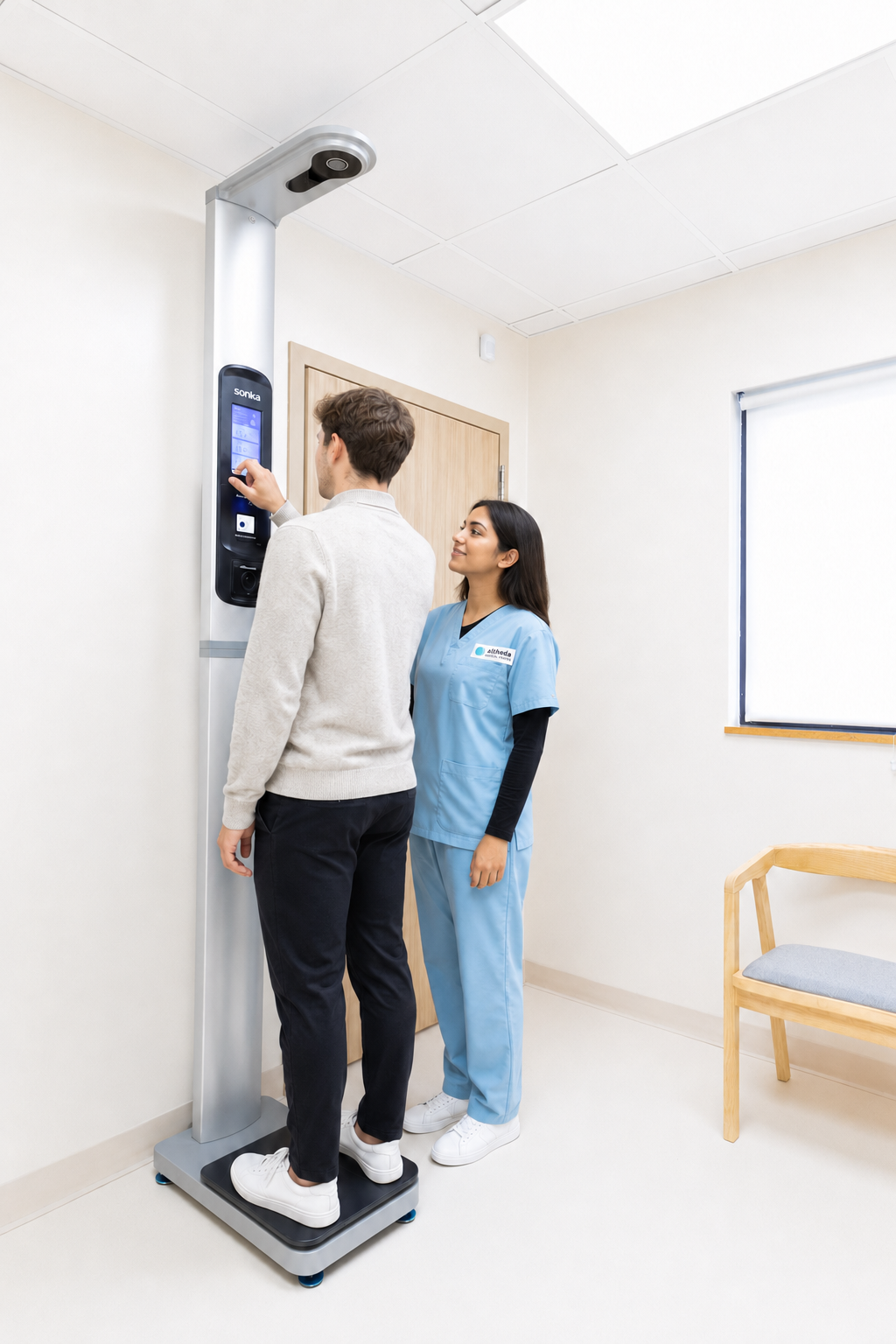
Provider reviewing insulin resistance and metabolic health concerns with a patient at Altheda Medical Center near Pittsburgh.
Geisinger
Highmark
Capital
United Healthcare
Independence
Anthem
Aetna
Cigna
Medicare.gov
Humana
UPMC Health Plans
UMR
BlueCross BlueShield

Insulin Resistance Doctors Near Pittsburgh, PA

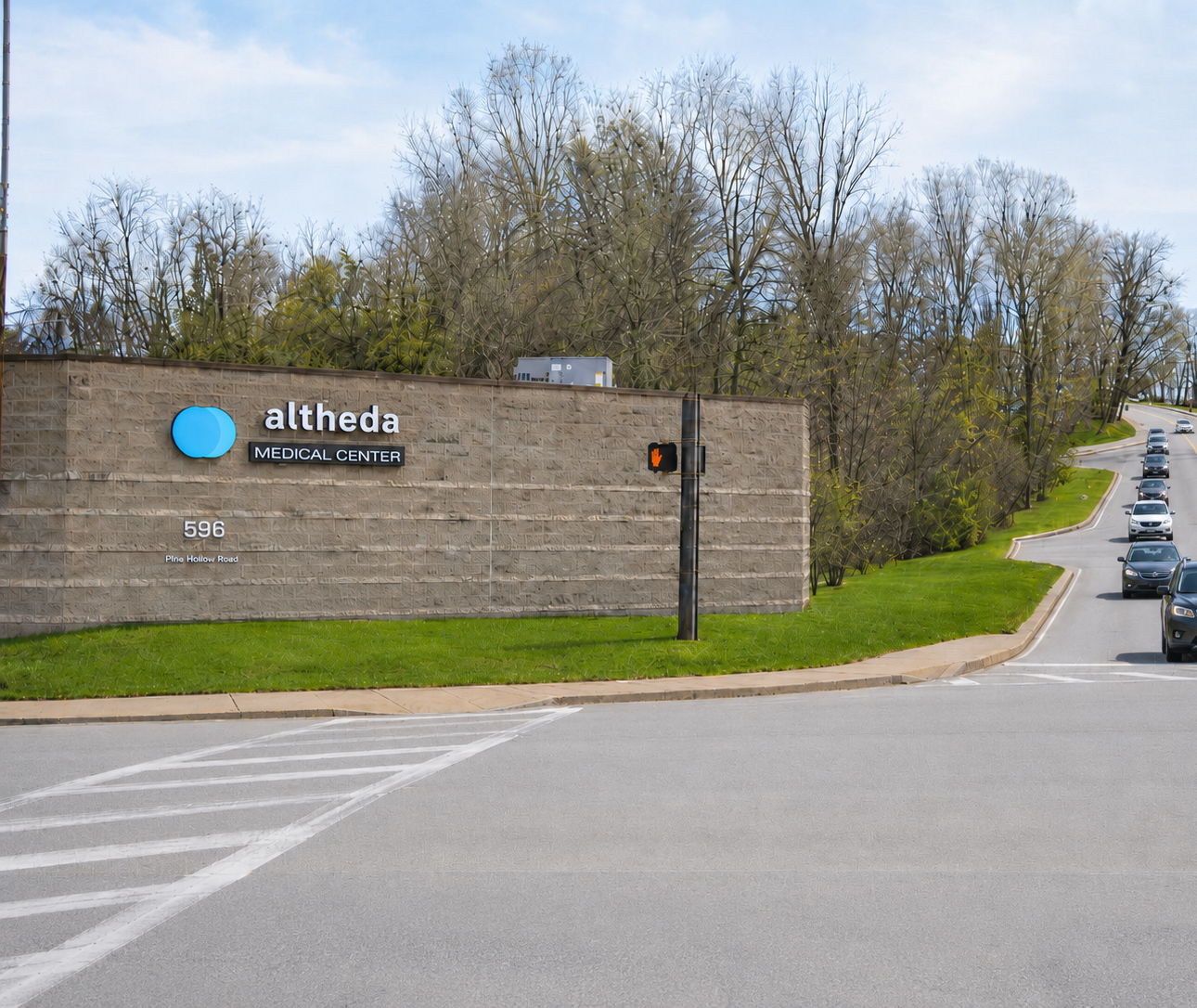
Conveniently located in Kennedy Township, Altheda welcomes patients from Pittsburgh, Coraopolis, Robinson Township, Moon, Green Tree, Crafton, Sewickley, and surrounding communities.

Our Facility

Explore Altheda’s modern, welcoming clinic spaces designed to make every visit feel comfortable, calm, and patient-centered.

When Should You Schedule an Insulin Resistance Visit?

Insulin resistance often does not cause obvious symptoms. Many people first become concerned after an abnormal A1C, elevated fasting glucose, weight changes, cholesterol concerns, high blood pressure, PCOS, or a family history of type 2 diabetes.

  • High A1C
  • Elevated glucose
  • Prediabetes
  • Family history
  • Weight changes
  • Belly weight gain
  • High cholesterol
  • High blood pressure
  • PCOS
  • Gestational diabetes history
  • Fatty liver risk
  • Prevention goals
You do not need obvious symptoms to schedule a risk review.
High A1C or blood sugar review illustration

High A1C or Blood Sugar

You were told your A1C, fasting glucose, or blood sugar is higher than expected.

Prediabetes Risk

You have prediabetes, a family history of type 2 diabetes, or were told to make lifestyle changes.

Prediabetes risk review illustration
Weight or metabolic health changes illustration

Weight or Metabolic Changes

You are struggling with weight changes, abdominal weight gain, or difficulty losing weight.

What Is Insulin Resistance Management?

Insulin resistance happens when the body does not respond to insulin as well as it should. Insulin helps move glucose, or blood sugar, from the bloodstream into the body’s cells. When the body becomes more resistant to insulin, blood sugar can rise over time and may increase the risk of prediabetes and type 2 diabetes. Insulin resistance happens when the body does not respond to insulin as well as it should. Over time, blood sugar can rise and may increase the risk of prediabetes or type 2 diabetes.

Insulin resistance management focuses on identifying related risk factors, reviewing blood sugar and metabolic labs, and creating a plan that may include nutrition, physical activity, weight management, sleep, medication review, and follow-up monitoring. Care may include blood sugar review, metabolic labs, nutrition, activity, weight support, sleep review, medication review, and follow-up monitoring.

Altheda provider reviewing insulin resistance labs and metabolic health results with a patient

Insulin resistance is usually evaluated through risk factors and related lab patterns. Your provider will determine which tests and follow-up steps are appropriate for you.

What’s Included in Insulin Resistance Management?

Services may vary based on individual needs, insurance acceptance and coverage may vary.

What to Expect During Your Visit

  1. Check in and health history review for insulin resistance management

    Check In & Review

  2. Provider evaluation for insulin resistance and metabolic health markers

    Provider Evaluation

  3. Follow-up plan for insulin resistance management

    Follow-Up Plan

Insulin resistance prevention

A Clearer Plan Before Blood Sugar Problems Get Worse

Insulin resistance can feel confusing because it may show up through different clues: rising A1C, weight changes, cholesterol concerns, high blood pressure, family history, or prediabetes. Altheda helps connect those pieces so you can understand your risk and take practical steps earlier.

Risk Dashboard Prevention Plan
A1C Blood sugar over time
Review
Fasting Glucose Current blood sugar pattern
Check
Cholesterol Triglycerides and heart risk
Context
Blood Pressure Cardiometabolic risk factor
Track
Weight Trend Changes over time
Monitor
Follow-Up Plan Labs, visits, and adjustments
Plan

Connect the clues before blood sugar problems progress.

A1C, glucose, cholesterol, blood pressure, weight trends, and family history can be reviewed together to guide realistic prevention steps.

A1C & Glucose

Review blood sugar trends and decide what monitoring makes sense.

Cholesterol & Heart Risk

Look at cholesterol, triglycerides, blood pressure, and cardiovascular risk.

Weight & Lifestyle

Create realistic nutrition, activity, sleep, and weight-management goals.

Follow-Up Plan

Set a timeline for next labs, visit follow-up, and care adjustments.

Our Facility

Explore Altheda’s modern, welcoming clinic spaces designed to make every visit feel comfortable, calm, and patient-centered.

Why Choose Altheda for Insulin Resistance Management?

Altheda provider supporting a patient during insulin resistance management in Pittsburgh
  • Accessible appointments
  • Lab review and follow-up planning
  • Primary care support for related conditions
  • Practical lifestyle and medication discussion
Schedule Insulin Visit

What do patients say about Altheda?

Common Questions

Insulin Resistance Management FAQs

Helpful answers about insulin resistance, prediabetes risk, A1C and glucose testing, metabolic health, lifestyle planning, medication discussion, and follow-up monitoring.

Insulin Resistance Visit Basics

5 questions - visit purpose, symptoms, risk review, and what to expect.

What is an insulin resistance management visit?

An insulin resistance management visit is a primary care appointment focused on reviewing blood sugar trends, A1C or glucose results, metabolic risk factors, weight changes, family history, medications, lifestyle factors, and follow-up steps that may help lower the risk of worsening blood sugar problems.

Is insulin resistance the same as diabetes?

No. Insulin resistance means the body may not respond to insulin as well as expected. It can be related to prediabetes or type 2 diabetes risk, but it is not the same as having diabetes. Blood testing helps clarify where you are on the risk spectrum.

Can Altheda evaluate insulin resistance concerns?

Yes. Altheda can review symptoms, risk factors, prior labs, A1C, fasting glucose, cholesterol, triglycerides, blood pressure, weight trends, medication history, and whether additional testing or follow-up may be appropriate.

Can one visit fully manage insulin resistance?

One appointment may not cover every concern or complete every step. What can be addressed depends on your history, lab results, symptoms, safety considerations, clinical priorities, testing needs, and available appointment time. Follow-up monitoring is often helpful.

What happens during an insulin resistance visit?

Your provider may review your health history, family history, weight changes, blood pressure, medications, sleep, nutrition, activity level, prior A1C or glucose results, cholesterol results, and goals for prevention or metabolic health improvement.

Symptoms & When to Schedule

5 questions - high A1C, prediabetes risk, weight changes, PCOS, and family history.

When should I schedule an insulin resistance visit?

Consider scheduling if you were told your A1C, fasting glucose, blood sugar, cholesterol, triglycerides, blood pressure, or weight trend is higher than expected, or if you have a family history of type 2 diabetes or prior prediabetes concerns.

Can insulin resistance happen without symptoms?

Yes. Many people with insulin resistance or prediabetes do not notice obvious symptoms. That is why reviewing risk factors, blood sugar testing, A1C trends, and metabolic health markers can be important.

What symptoms may be related to blood sugar problems?

Some people may notice increased thirst, frequent urination, fatigue, blurry vision, slow-healing wounds, recurrent infections, or unexplained weight changes. These symptoms should be reviewed promptly because they can have multiple causes.

Should I schedule if I have PCOS and insulin resistance concerns?

Yes. PCOS can overlap with insulin resistance and metabolic risk. Your provider can review menstrual history, weight changes, acne or hair growth concerns, A1C, glucose, cholesterol, triglycerides, and whether PCOS-focused follow-up is appropriate.

Should I schedule if diabetes runs in my family?

A family history of type 2 diabetes can increase concern for blood sugar risk. A visit can help review your personal risk factors, testing history, lifestyle factors, and how often monitoring may make sense.

Labs, Numbers & Risk Review

6 questions - A1C, fasting glucose, cholesterol, blood pressure, and lab timing.

What labs may be reviewed for insulin resistance?

Your provider may review A1C, fasting glucose, cholesterol, triglycerides, kidney and liver function, weight trend, blood pressure, and other labs based on your history. Additional testing depends on symptoms, prior results, and clinical need.

Is A1C testing used for insulin resistance concerns?

A1C is commonly used to understand average blood sugar over time and to help assess prediabetes or diabetes risk. Your provider can interpret A1C together with fasting glucose, symptoms, risk factors, and medical history.

Is fasting glucose different from A1C?

Yes. Fasting glucose reflects blood sugar at the time of testing after fasting, while A1C reflects an average blood sugar pattern over a longer period. Both can be useful, depending on the situation.

Will I need insulin levels checked?

Not always. In routine primary care, providers often focus on A1C, fasting glucose, metabolic risk factors, and related labs. Insulin testing is not always needed or useful for every patient.

Why are cholesterol and triglycerides part of the review?

Insulin resistance and prediabetes risk can overlap with cholesterol, triglyceride, blood pressure, weight, and heart health concerns. Reviewing these numbers together helps create a more complete metabolic health plan.

Can Altheda review labs from another clinic?

Yes. You can bring or upload prior lab results. Your provider can review when the labs were drawn, what was tested, whether the results fit your risk factors, and whether repeat or additional testing may be appropriate.

Lifestyle, Medication & Follow-Up

6 questions - nutrition, activity, weight, medication discussion, monitoring, and goals.

What treatment options may be discussed?

Depending on your evaluation, your provider may discuss nutrition, physical activity, weight management, sleep, stress, medication review, blood sugar monitoring, follow-up labs, or medication options when clinically appropriate.

Can lifestyle changes help insulin resistance?

Lifestyle changes may help improve insulin sensitivity and lower diabetes risk for many patients. Your provider can help make the plan practical by focusing on realistic nutrition, activity, sleep, weight, and follow-up goals.

Can Altheda help with weight-related insulin resistance concerns?

Yes. Your provider can review weight history, metabolic labs, health goals, medications, lifestyle factors, and whether structured weight management, follow-up monitoring, or another care plan may be appropriate.

Can medication be used for insulin resistance or prediabetes risk?

Medication may be discussed when clinically appropriate, especially when blood sugar risk, weight, medical history, or other risk factors suggest that lifestyle changes alone may not be enough. Medication is not automatic and depends on individual evaluation.

How often should insulin resistance labs be rechecked?

Follow-up timing depends on your A1C, glucose results, risk factors, medications, lifestyle plan, and whether results are changing. Your provider can recommend a practical timeline for repeat labs or follow-up visits.

What if my numbers are getting worse?

If A1C, glucose, weight, cholesterol, triglycerides, or blood pressure are worsening, follow-up is important. Your provider may adjust the plan, review medications, discuss additional testing, or consider referrals when needed.

Related Conditions & Whole-Person Review

5 questions - thyroid, PCOS, heart risk, sleep, and diabetes prevention.

Can thyroid problems affect weight or energy too?

Yes. Thyroid concerns can overlap with fatigue, weight changes, heart rate changes, temperature intolerance, and other symptoms. Your provider can decide whether thyroid testing or thyroid management follow-up should be part of the evaluation.

How is insulin resistance related to heart health?

Insulin resistance and prediabetes risk may overlap with high blood pressure, cholesterol, triglycerides, weight, and other cardiovascular risk factors. Reviewing these together helps guide a safer prevention plan.

Can sleep affect insulin resistance?

Sleep patterns, sleep quality, and possible sleep apnea can affect energy, weight, appetite, and metabolic health. Your provider may ask about snoring, daytime sleepiness, sleep schedule, and whether sleep evaluation should be considered.

Can insulin resistance be reversed?

Many people can improve blood sugar risk and insulin sensitivity with lifestyle changes, weight management, medication when appropriate, and follow-up monitoring. Results vary, so your provider can help set realistic goals and track progress.

What if I already have diabetes?

If you already have diabetes, you may need a diabetes management visit rather than an insulin resistance visit. Your provider can review your current diagnosis, medications, A1C goals, monitoring needs, and follow-up plan.

Remote vs In-Person Care & Pittsburgh-Area Access

5 questions - telehealth, in-person checks, preparation, scheduling, and local care.

Can an insulin resistance visit be done remotely?

Some visits may start remotely when clinically appropriate, especially for reviewing symptoms, lab results, medications, and lifestyle goals. In-person care may be recommended if vital signs, weight, blood pressure, labs, or a physical exam are needed.

When is an in-person visit better?

An in-person visit may be better when blood pressure, weight, waist-related risk, physical exam findings, lab collection planning, medication safety, or a more detailed metabolic review is needed.

What should I bring to an insulin resistance visit?

Bring prior lab results, a medication and supplement list, family history of diabetes or heart disease, weight or blood sugar trends if available, blood pressure readings if available, and questions about nutrition, activity, medication, or follow-up goals.

How do I schedule an insulin resistance management visit?

Patients can schedule online or contact Altheda for current availability. New patients may schedule as a new patient, and returning patients may schedule as a follow-up or established patient when available.

Where can I get insulin resistance care near Pittsburgh?

Altheda provides insulin resistance management visits for patients in Pittsburgh and nearby communities, including Kennedy Township, McKees Rocks, Robinson, Moon, Coraopolis, Crafton, Carnegie, and surrounding areas.

Schedule Your Insulin Resistance Check Today

Stay ahead of your health with comprehensive testings from experienced clinicians at Altheda 

You cannot copy content of this page

Pricing and Insurance

Insurance

*82% of patients that used accepted insurance to pay for Primary Care Appointments paid $40 or less per appointment.

Self-pay price (per appointment)

  • First appointment $140
  • Follow-up appointments $100

Repeated missed appointments or cancellations with less than 24 hours’ notice may result in restrictions on future scheduling.

Altheda accepts a wide variety of PPO plans. Start booking to verify if your insurance plan is accepted.

Highmark insurance logo for accepted insurance plans at Altheda Medical Center.
Independence Blue Cross insurance logo
Capital Blue Cross insurance logo
Blue Cross Blue Shield insurance logo for accepted insurance plans at Altheda Medical Center.
Anthem Blue Cross Blue Shield insurance logo
UPMC Health Plan insurance logo for accepted insurance plans at Altheda Medical Center.
Medicare logo for accepted insurance plans at Altheda Medical Center.
UMR insurance logo for accepted insurance plans at Altheda Medical Center.
UnitedHealthcare insurance logo for accepted insurance plans at Altheda Medical Center.
Aetna insurance logo for accepted insurance plans at Altheda Medical Center.
Humana insurance logo for accepted insurance plans at Altheda Medical Center.
Cigna insurance logo for accepted insurance plans at Altheda Medical Center.

NEARBY COMMUNITIES

Altheda Medical Center is conveniently located in Kennedy Township, PA and welcomes patients from nearby communities across the Pittsburgh area. 

Communities We Commonly Serve

  • Pittsburgh, PA
  • Kennedy Township, PA  
  • Moon Township, PA
  • Sewickley, PA
  • Robinson Township, PA
  • Coraopolis, PA
  • Neville Township, PA
  • McKees Rocks, PA
  • Carnegie, PA
  • North Fayette Township, PA
  • Green Tree, PA
  • Crafton, PA
  • Bellevue, PA
  • Avalon, PA
  • Ingram, PA
  • Stowe Township, PA
  • Thornburg, PA
  • Rosslyn Farms, PA
  • Washington, PA
  • McDonald, PA

We have one physical clinic location in Kennedy Township, PA. Patients may travel from these surrounding communities for care. 

Need directions? Contact Altheda or use the map on our website to plan your visit.